Is The Barber Institute Free? Reopening Status
The Barber Institute of Fine Arts is one of Birmingham's finest small art galleries, but it is closed for refurbishment, so anyone planning a visit needs the current status before setting out.
Short answer
Yes, the Barber Institute of Fine Arts is free to enter when it is open, but the galleries have been closed for a major refurbishment since January 2025 and reopening is expected in 2026.
The Barber Institute of Fine Arts charges no admission fee when it is open, but it is not currently open. The galleries have been closed for a major building refurbishment since January 2025, and the University of Birmingham expects the institute to reopen in 2026. Anyone visiting before then will find the building shut, so the honest answer to the price question is free when open, closed right now, with a reopening date still to be confirmed by the university.
That two-part answer matters more here than at almost any other Birmingham attraction, because the Barber Institute is usually recommended as one of the city's genuinely free art experiences. It sits on the University of Birmingham campus in Edgbaston, holds a collection of paintings, drawings, sculpture and coins described by admirers as one of the best small collections in Britain, and charges nothing at the door. The refurbishment changes the practical picture for visitors in 2025 and 2026, and this page keeps the price question and the status question firmly together rather than letting one answer hide the other.
| Question | Current Answer |
|---|---|
| Is the Barber Institute free? | Yes, admission is free when the galleries are open |
| Is it open now? | No, closed for refurbishment since January 2025 |
| When does it reopen? | Reopening expected in 2026, exact date not yet confirmed |
| Where is it? | University of Birmingham campus, Edgbaston |
| Who runs it? | The University of Birmingham |
| Is there a paid alternative nearby? | Winterbourne House and Garden is nearby but paid |
The rest of this page covers what the refurbishment means, what the collection holds for when the doors open again, how the institute compares with the other free and paid museums in Birmingham, and what a visitor can actually do for free in the city while the galleries stay shut.
For anyone whose real goal is simply a good free day out in Birmingham rather than one specific building, the city centre still delivers: the free Birmingham walking tour on GuruWalk, run by an independent local guide named Philip, covers Birmingham's stories and landmarks in about two hours on a free, pay what you want basis.
What Is The Barber Institute Of Fine Arts?
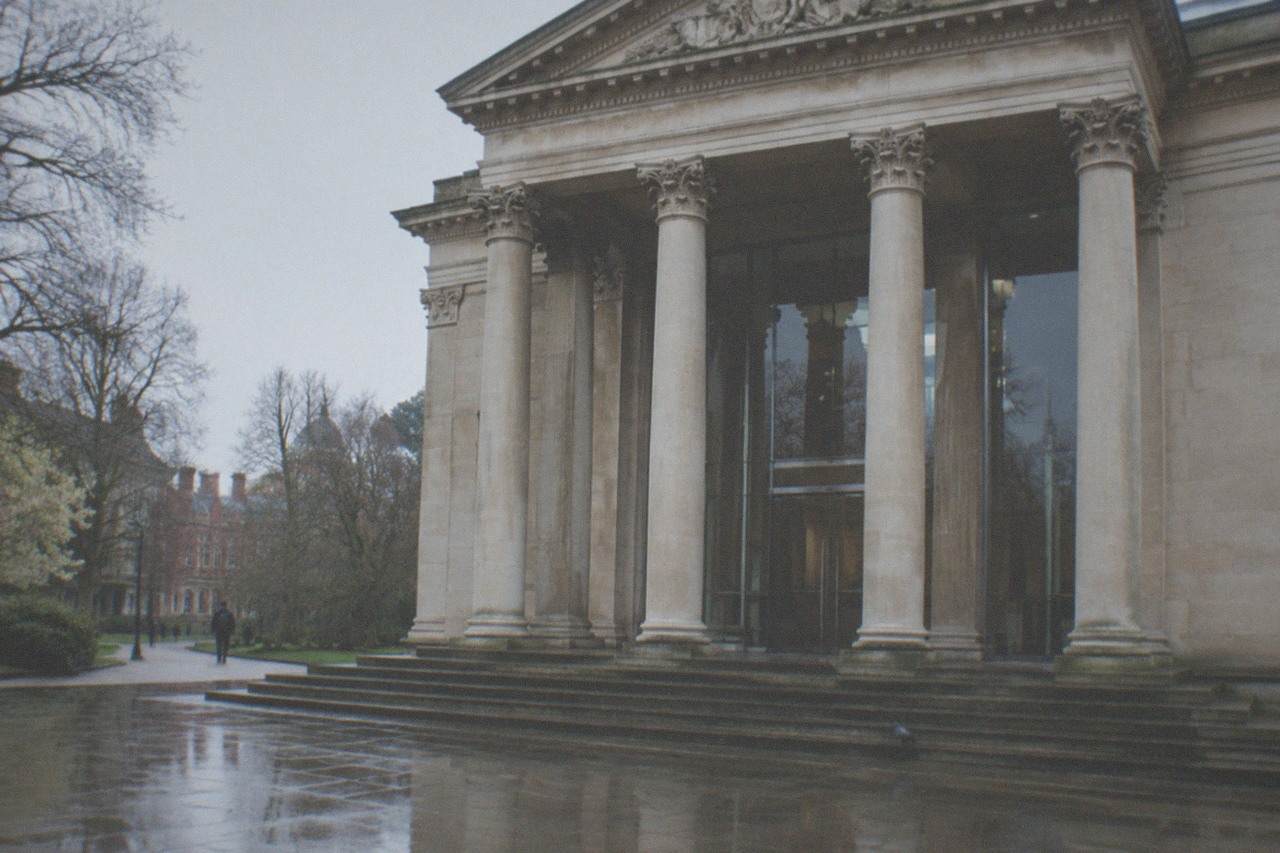
The Barber Institute of Fine Arts is an art gallery and concert venue on the University of Birmingham campus, founded in the 1930s following a bequest from Lady Barber, the widow of a wealthy Birmingham solicitor and property developer. The building, with its distinctive neoclassical frontage designed by Robert Atkinson, opened in 1939 and has served ever since as both the university's art collection and a public gallery, sitting a short walk from the university's main Edgbaston campus buildings.
Its reputation among art historians is considerable for a gallery of its size. The collection is built around European painting from the Renaissance onward, and it includes works by names such as Botticelli, Bellini, Rubens, Poussin, Gainsborough, Turner, Manet, Monet, Van Gogh and Magritte, alongside holdings of sculpture, drawings, prints, and one of the largest coin collections held by any university in Britain. For a free gallery in a city better known for industry than for old master painting, it has long been the quiet star of Birmingham's cultural offering, and it has historically also run a public concert programme in its own auditorium.
The institute's role within the University of Birmingham explains both its strengths and its current situation. It is a working university department as well as a public attraction, which is why its admission policy has always been free: the gallery exists to support teaching and research as much as tourism, and free public access is part of that mission. It is also why the current refurbishment, a major building project rather than a routine redecoration, has been able to close the whole gallery for an extended period.
Is Admission Free When The Barber Institute Is Open?
Yes. The Barber Institute of Fine Arts does not charge for general admission to its galleries, and it has not done so in its modern history. Free entry is the standing policy of the institute and the University of Birmingham, with donations welcome rather than tickets required. When the galleries are open, a visitor can walk in, see the permanent collection, and, when temporary exhibitions are running, see those as well without paying an entrance fee.
That free-admission policy is exactly why the closure matters so much for free-itinerary planning. Birmingham has a smaller number of genuinely free art galleries than London or Manchester, and the Barber Institute has always carried a large share of that weight. Its collection is strong enough that guidebooks and free-things-to-do lists have recommended it for decades, always on the strength of free entry. Those recommendations are not wrong about the price, but anyone acting on one of them today will arrive at a shut building unless they check the reopening status first.
The honest framing for the price question is therefore conditional in the opposite direction from most Birmingham attractions. Attractions such as Aston Hall or Sarehole Mill are open but charge for their interiors, with only the grounds free. The Barber Institute is the reverse: the interior is free, but it is temporarily unavailable. There is no paid alternative way in, no premium ticket that bypasses the closure, and no separate wing kept open for visitors. The refurbishment closes the public galleries, and free admission resumes when they reopen.
Why Has The Barber Institute Been Closed Since January 2025?
The closure is a major building refurbishment rather than a change of direction or a funding problem. The University of Birmingham announced the project to overhaul the institute's building, addressing the fabric of a structure that has been in continuous use since the 1930s. Work of this kind typically involves the galleries being emptied of their paintings, the collection going into secure storage or travelling on loan, and the public spaces, including the concert hall and the shop and cafe areas, closing for the duration.
For visitors, the practical effect is total. The galleries, the auditorium and the visitor facilities are all closed, and the university has not operated a temporary satellite gallery elsewhere in the city as a substitute. The collection itself is cared for during the works, and some works have appeared elsewhere from time to time, but there is no standing public display of the Barber collection anywhere in Birmingham while the building is shut.
The closure also has a knock-on effect for the Edgbaston end of a Birmingham itinerary. The Barber Institute is one of the few free cultural reasons to head out of the city centre toward the university, and with it shut, the remaining attractions near campus, Winterbourne House and Garden and the Birmingham Botanical Gardens, are both paid. A visitor trying to build a free day in Birmingham in 2026 will find the centre of the city a far better base than Edgbaston until the institute reopens.
When Is The Barber Institute Expected To Reopen?
The University of Birmingham expects the Barber Institute to reopen in 2026. The galleries closed in January 2025 and the university's stated position is a reopening during 2026, but an exact reopening date has not been confirmed in the verified research for this site, and no specific month should be trusted until the institute announces it directly. Anyone planning a visit in 2026 should check the university's own Barber Institute pages shortly before travelling, because a project of this scale can move its reopening date in either direction.
There is a useful pattern to watch for in how galleries of this type reopen. A phased reopening is common: the permanent collection galleries often open first, with temporary exhibition spaces, the concert programme and visitor facilities following later. Even after the doors open, it may take additional time before the institute's full pre-closure offer, including concerts and special exhibitions, is running again. The free admission policy, however, is expected to resume with the galleries themselves.
For itinerary purposes, the safest planning assumption is that the Barber Institute is closed until the university says otherwise. Building a Birmingham day around the assumption that it will be open by a particular month risks a wasted trip to Edgbaston. The better approach is to treat the institute as a bonus if it has reopened by the time of a visit, and to anchor the day on the free attractions that are confirmed open, which the rest of this page covers.
What Can You See At The Barber Institute Once It Reopens?
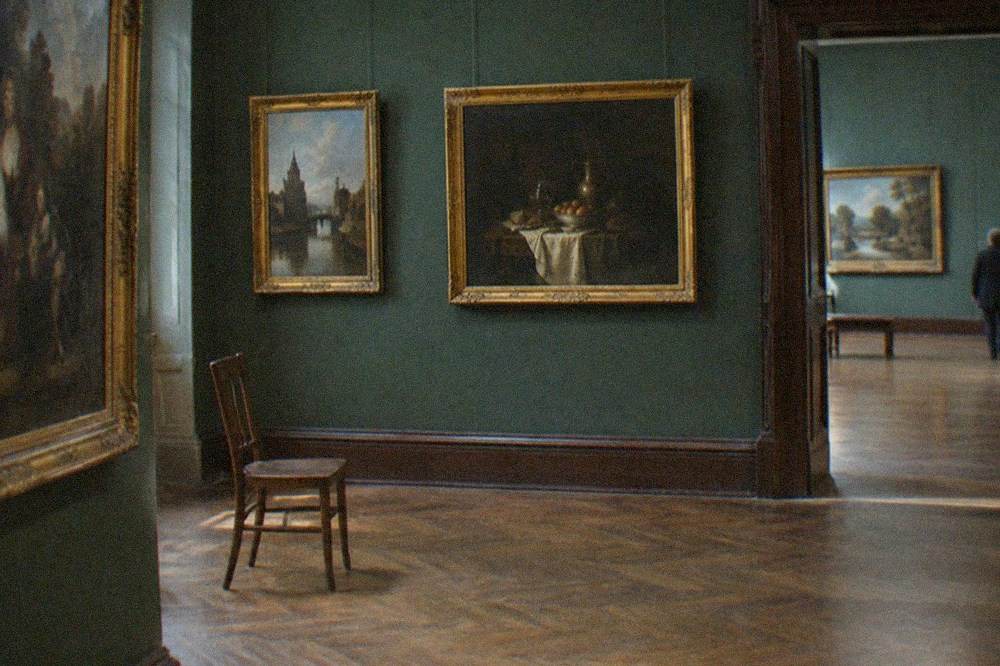
The permanent collection is the reason to return once the doors open. European painting forms the core, spanning Italian Renaissance work, Dutch and Flemish pictures of the seventeenth century, French art of the nineteenth and early twentieth centuries, and British painting from Gainsborough through to the twentieth century. The institute's habit of buying a small number of very high quality works, rather than large quantities of average ones, is what gives the gallery its reputation: the collection is small enough to see properly in a single visit and strong enough that almost every room contains a painting of real significance.
Alongside the paintings, the reopening will restore public access to the institute's holdings of sculpture and works on paper, and to its numismatic collection, one of the largest coin collections in a British university, covering ancient Greek and Roman coinage through to modern times. The coin gallery has historically been one of the less famous but genuinely distinctive parts of a visit, and it is a rare thing to see well in any free gallery in Britain.
The building itself is part of the attraction. The 1930s architecture, the marble-floored entrance hall and the auditorium give the institute a character quite different from Birmingham's Victorian civic buildings, and the refurbishment is intended to preserve and improve exactly that character. The concert hall has long hosted a public programme of lunchtime and evening concerts, many of them free or low cost, and the resumption of that programme after reopening will add a second free or nearly free reason to visit Edgbaston.
A realistic visit length, once open, is around one to two hours for the permanent collection, longer with an exhibition or a concert. Combined with the university campus itself, which is free to walk around, and the nearby Winterbourne House and Garden, which is paid except for university staff and students with ID, a reopened Barber Institute makes the Edgbaston end of Birmingham viable as a half-day free itinerary again.
How Does The Barber Institute Compare With Birmingham's Other Art Galleries?
Birmingham's gallery landscape is small enough that the closure of one venue genuinely changes the options. The table below sets out the main art and museum destinations relevant to a visitor weighing free against paid, with each venue's current status stated honestly rather than assumed.
| Venue | Admission | Current Status |
|---|---|---|
| Barber Institute of Fine Arts | Free when open | Closed for refurbishment since January 2025, reopening expected 2026 |
| Birmingham Museum & Art Gallery | Free, no booking | Open, but some galleries closed for phased redevelopment, full reopening targeted 2031 |
| Ikon Gallery | Free, donations welcome | Open, Tuesday to Sunday and bank holiday Mondays, 11am to 5pm |
| Royal Birmingham Society of Artists galleries | Generally free for exhibitions | Open during exhibition periods, check before visiting |
| Museum of the Jewellery Quarter | Paid, timed guided tour only | Open Thursday to Sunday |
| Thinktank Birmingham Science Museum | Paid, from roughly 15.50 pounds adult | Open, with free walk-up entry for university students Tuesday to Friday with student ID |
| Birmingham Back to Backs | Paid, pre-booked guided tour only | Open, National Trust standard pricing applies |
Two conclusions follow from that table. First, Birmingham Museum & Art Gallery in the city centre is the natural substitute while the Barber Institute is shut: it is free, it needs no booking, and its open galleries include the Pre-Raphaelite collection, the Staffordshire Hoard displays and the Birmingham History galleries, which together cover some of the same appetite for art and heritage that the Barber Institute normally serves. Second, the Ikon Gallery, also in the centre, is the city's other genuinely free contemporary art space and stays free throughout, making it the most reliable free gallery answer in Birmingham at the moment.
The comparison also explains why the Barber Institute's reopening is worth waiting for rather than substituting. Birmingham Museum & Art Gallery is broader and bigger, but the Barber collection is deeper in old master and impressionist painting than anything else in the West Midlands, and it is the only place in Birmingham where a visitor can see a compact, world-class European painting collection for free. When it reopens, the two venues complement each other rather than compete.
Is Birmingham Museum & Art Gallery A Good Free Substitute?
Yes, and it is the best one. Birmingham Museum & Art Gallery, in Chamberlain Square at the heart of the city centre, charges nothing for general admission and requires no booking. Its open galleries include the Pre-Raphaelite paintings for which the city is known, the Staffordshire Hoard of Anglo-Saxon treasure, the Birmingham History galleries telling the city's industrial story, and the Round Room, Industrial Gallery and Bridge Gallery spaces. Opening hours are Tuesday to Sunday, 10am to 5pm, with daily opening in school holidays and on bank holidays.
The honest caveat, which the museum states openly, is that some galleries are closed as part of a phased redevelopment of the building, with a full reopening targeted for 2031. That does not make the visit a poor one: the open collection is substantial, and a visitor spending a morning there will see a genuine cross-section of the city's art and history. But a visitor who remembers the museum from before the redevelopment should expect a smaller offer than the full building once contained, and should not be surprised to find sections closed off.
The museum's location is a second advantage over the closed Barber Institute. It sits directly among Chamberlain Square, Victoria Square and Centenary Square, three free public squares with statues and civic monuments that are always open to walk through, and it is a short walk from the Library of Birmingham. A free city-centre day can be built around the museum with almost no walking between stops, which is not true of any current Edgbaston plan while the Barber Institute is shut.
Which Free Attractions Are Open In Birmingham While The Barber Institute Is Closed?
The city centre carries the load. The table below lists the confirmed free options that a visitor can rely on now, with their conditions stated, because Birmingham's headline attractions often carry conditions that a plain "free" label would hide.
| Attraction | Free Status | Condition To Know |
|---|---|---|
| Birmingham Museum & Art Gallery | Free, no booking | Some galleries closed for phased redevelopment, full reopening targeted 2031 |
| Ikon Gallery | Free, donations welcome | Open Tuesday to Sunday and bank holiday Mondays, 11am to 5pm |
| Library of Birmingham | Free public access | Building and Level 7 Secret Garden free in opening hours; Shakespeare Memorial Room viewable only when not booked for an event |
| St Philip's Cathedral | Free entry | Donations welcome |
| St Chad's Cathedral | Free entry | Donations welcome |
| Gas Street Basin and canal towpaths | Free at all times | No admission, public towpath |
| Chamberlain, Centenary and Victoria Squares | Free, always open | Public realm |
| Custard Factory and Digbeth street art | Free to walk around | General public realm and street art |
| The Bullring bull statue | Freely viewable | Public art outside the Bullring, no admission |
| Birmingham Christmas Market | Entry free | Food, drink and stall purchases cost money |
Two warnings belong alongside that table, because they catch out visitors who assume Birmingham's heritage sites follow one rule. The historic houses run by Birmingham Museums Trust, Aston Hall, Blakesley Hall and Sarehole Mill, all have free grounds but paid interiors, and Aston Hall and Sarehole Mill additionally close for winter, roughly from early November to mid February, so their open season is limited even at the paid price. Soho House in Handsworth has its house closed entirely for maintenance, with only the visitor centre, exhibition and gardens free when accessible. None of these should be written into a free itinerary as if they were unconditional.
The paid list is worth knowing too, so that a visitor does not build a day around an attraction that charges. Cadbury World, the Birmingham Botanical Gardens, Winterbourne House and Garden, the Museum of the Jewellery Quarter, the Pen Museum, the Birmingham Wildlife Conservation Park, the National Sea Life Centre and Birmingham Back to Backs all charge admission, and Back to Backs additionally requires a pre-booked guided tour. The Coffin Works is paid as well, with one exception: a Wednesday community day that is free for Ladywood Ward residents with proof of address.
Is The Library Of Birmingham Free To Visit?
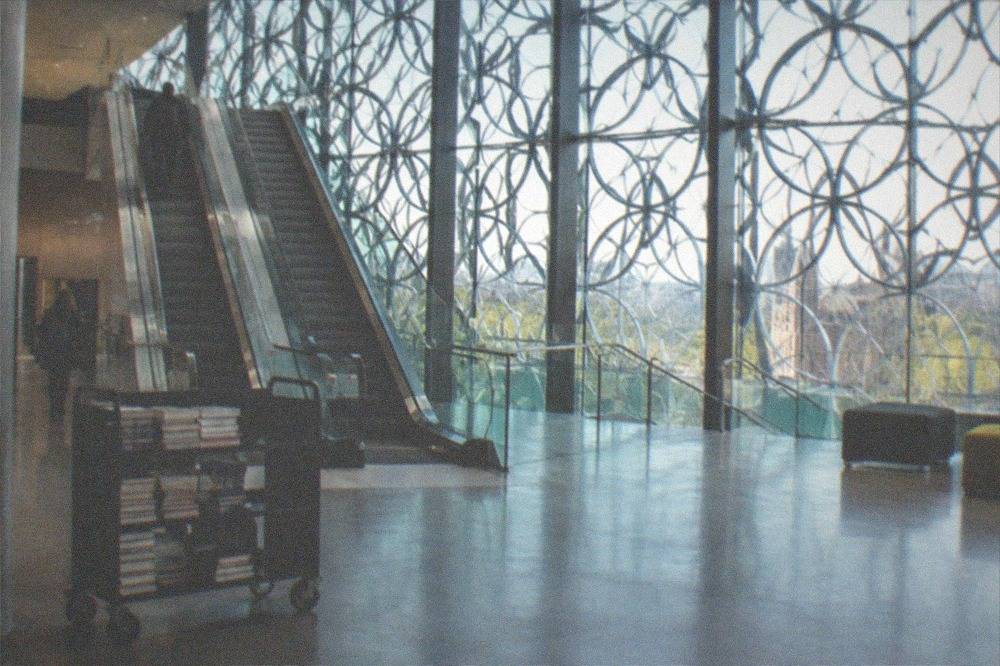
Yes, and it is one of the strongest free stops in the city centre. The Library of Birmingham offers free public access to its building, including free Wi-Fi, computers and study space, with opening hours of Monday and Tuesday 11am to 7pm, Wednesday to Saturday 11am to 5pm, and Sunday closed, plus an express service on the lower floors outside those hours. The building itself, with its striking interlocking circles facade, is one of the most photographed pieces of modern civic architecture in Britain, and simply walking through it costs nothing.
The free highlight is the Secret Garden on Level 7, a rooftop terrace with views over the city that requires no booking and is accessible during library opening hours, along with the terrace on Level 3. On a clear day the Level 7 terrace gives one of the best free vantage points over Birmingham's skyline, and it is an easy stop to combine with Birmingham Museum & Art Gallery a few minutes away.
The conditionally free part is the Shakespeare Memorial Room, the wood-panelled room that houses the library's Shakespeare collection on the top floor. It is reachable free as part of the building, but it is primarily used for events and venue hire, with archive items viewed by appointment through the Wolfson Centre, and general viewing is only possible during library hours when it is not in use for a booked event. A visitor who arrives hoping to see it may find it closed for a private function, so it should be treated as a bonus rather than the point of a visit.
What Can You Do For Free Around Digbeth And The Canals?
Digbeth, the creative quarter east of the city centre, is free to explore and has become one of Birmingham's most distinctive areas. The Custard Factory, the former home of the Bird's custard brand turned into a complex of independent shops, studios and venues, is free to walk around, and the surrounding streets hold one of the densest concentrations of street art in Britain, with large murals and smaller pieces appearing and disappearing across the neighbourhood's brick walls. No ticket, tour or fee is needed to see any of it; the public realm is the attraction.
The canals are the other free signature of Birmingham. The city sits at the heart of the English canal network, and Gas Street Basin, where the Worcester and Birmingham Canal meets the main line, is the classic free stopping point: a basin of narrowboats, restored warehouses and towpaths that are open at all times with no admission. The towpaths run out from the basin toward the Mailbox and beyond, and a walk along the water is the quickest way to see the industrial geography that made the city, entirely for free.
Both areas pair naturally with a city-centre day. Digbeth is a short walk from the Bullring, and Gas Street Basin sits between Broad Street and the Mailbox, so a free walking route can run from the squares, past the library, down to the basin, and out to Digbeth without paying for anything along the way. This is also the terrain that a guided walk covers well: the free Birmingham walking tour on GuruWalk, rated 4.78 out of 5 across 59 GuruWalk reviews, uses the city centre's landmarks and stories to give the same geography a narrative spine, and it costs nothing up front on the platform's pay what you want basis.
What About The Bullring, The Bull Statue And The Christmas Market?
The Bullring area is free to browse, and it is the part of Birmingham that most first-time visitors see whether they plan to or not. The Bullring and the adjoining Grand Central shopping centre are standard public shopping spaces, free to enter and wander, and the markets tradition around them goes back to the site's centuries as Birmingham's principal market place. The shopping centre's modern architecture, including the Selfridges building with its silver disc-clad curves, is itself a free sight that has become one of the city's most recognisable images.
The bronze bull statue outside the Bullring is free public art, viewable at any time with no admission, and it has become the informal emblem of the city centre, usually with a crowd around it taking photographs. It costs nothing, needs no planning, and sits directly on the walking route between the markets area and Digbeth, which makes it one of the easiest free stops in Birmingham to fold into any itinerary.
The Christmas Market deserves a specific word because it is the most common seasonal trap in the free-things-to-do category. Entry to the Birmingham Christmas Market is free, and walking through the stalls in the city centre is genuinely one of the nicer free experiences in the city in late autumn and winter. But everything inside costs money: the food, the drink and the stall purchases are all paid, so a visitor should arrive knowing that entry is free and consumption is not. The exact 2026 dates had not been officially confirmed at the time of this site's research, so anyone planning around the market should check the city council's pages for the confirmed dates rather than trusting an assumed date range.
How Should You Plan A Free Birmingham Day While The Barber Institute Is Closed?
The workable plan is to stay in the centre and treat Edgbaston as a trip for after the reopening. A realistic free day runs like this: start at Birmingham Museum & Art Gallery in Chamberlain Square, walk the three adjoining squares, climb the Library of Birmingham to the Level 7 Secret Garden, drop down to Gas Street Basin for the canal atmosphere, then continue east to the Bullring, the bronze bull and the street art of Digbeth. Every stop on that list is free, all of them are within comfortable walking distance of each other, and none of them depends on a reopening date.
Edgbaston, by contrast, currently offers a closed free gallery, a paid botanic garden and a paid historic house and garden. That balance will change when the Barber Institute reopens, at which point a half-day out to the university campus becomes worthwhile again, ideally combined with a walk around the university's own grounds, which cost nothing. Until the university confirms the reopening, the centre of the city is where the free value is.
A guided walk is the most efficient way to give that central route a structure, and Birmingham has exactly one English-language free walking tour worth naming: the Free Birmingham Walking Tour - Stories, Landmarks & Local Insights on GuruWalk, led by the independent guide Philip, rated 4.78 out of 5 across 59 GuruWalk reviews, running about two hours and meeting in the city centre. It is free to book on a pay what you want basis, so it fits a zero-budget day as either the spine of the itinerary or a single anchored commitment around which the free attractions can be arranged.