Custard Factory And Digbeth: Birmingham's Free Street Art Quarter
Digbeth is where Birmingham lets its artists loose on the brickwork, and every square metre of it costs nothing to look at.

Short answer
The Custard Factory and the Digbeth streets around it are free to walk around, an independent creative quarter whose street art, courtyards and murals are all in the public realm.
The Custard Factory and the Digbeth streets around it are free to walk around: this is an independent creative quarter whose street art, courtyards and painted gable ends all sit in the ordinary public realm, with no admission, no ticket and no gate anywhere in it. Digbeth sits a short walk east of the Bullring, and it has become the part of Birmingham where artists, small studios and independent venues have taken over old factory buildings. The street art is the reason most people come, and every mural, paste-up and painted wall can be viewed without spending anything. Bring comfortable shoes and a camera, and expect the artwork to change between visits.
The quarter's name comes from its anchor building. The Custard Factory on Gibb Street is a converted complex that once belonged to Alfred Bird and Sons, the firm that invented egg-free instant custard powder in Birmingham in 1837, and it now houses independent shops, studios and cafes arranged around painted courtyards. Around it spreads Digbeth itself: a grid of Victorian industrial streets, railway arches and old warehouses that has become the city's most concentrated stretch of public street art. The whole thing is best understood as one long free walk rather than a single attraction with an entrance.
Is The Custard Factory Free To Visit?
Yes, the Custard Factory is free to walk around, as is the general Digbeth public realm and its street art; there is no admission charge anywhere in the quarter, and the condition attached to that freedom is simply ordinary opening hours, since some courtyards and indoor spaces are only accessible during the day. The outdoor murals and painted walls are viewable at any time from the street. The Custard Factory's own courtyards and units follow the opening hours of the businesses inside them, so an evening visit sees the art but finds the shops shut. Nothing in the quarter requires a ticket.
The practical distinction matters because Digbeth is also a nightlife district. By day it reads as a creative quarter with coffee, studios and secondhand vinyl; by night the same arches host gigs and clubs that are very much paid. A free visit means the daytime public realm: Gibb Street, Digbeth High Street, the Custard Factory courtyards and the stretches of painted wall along the main roads. Anyone planning a full free day in the city can pair Digbeth with the free city centre stops, and the following table shows how the quarter's pieces fit together.
| Part Of The Quarter | What It Is | Free Status | Best Time |
|---|---|---|---|
| Custard Factory courtyards | Independent shops, studios, cafes in the old Bird's custard works | Free to walk around, daytime access | Daytime, weekdays quieter |
| Gibb Street and surrounding walls | Concentrated street art on industrial brickwork | Free, always viewable from the street | Any time, daylight best |
| Digbeth High Street | Main road with painted gable ends and murals | Free public realm | Any time |
| Railway arches and side streets | Studios, venues, small galleries in arches | Free to walk past; events inside are paid | Daytime for browsing |
| Custard Factory indoor units | Shops and cafes inside the complex | Free to browse, hours follow the businesses | Business opening hours |
What Kind Of Street Art Will You Find In Digbeth?
Digbeth's street art runs from small paste-ups to multi-storey murals, with new work appearing and older pieces disappearing all the time, so no visit sees the same set of walls. The area works as an open-air gallery without a curator. Some pieces are commissioned and stay for years; others are unofficial and last until the next artist paints over them. That churn is the honest answer to "what will I actually see": a core of well-known large murals plus a rotating cast of smaller work.
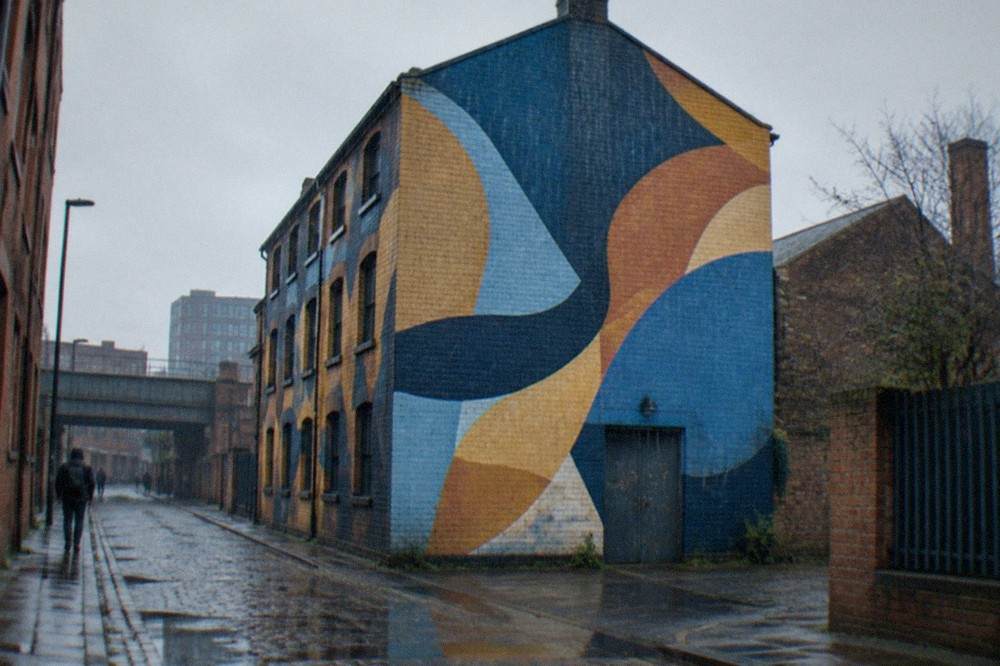
The large pieces tend to sit on the gable ends of the old industrial buildings, where a wide brick wall gives an artist a proper canvas. Portraits, animals and bold graphic work are the recurring styles. Between the big walls, look down at eye level: doorways, shutters, hoardings and arch pillars carry dense smaller work, and some of the best finds are in the least obvious spots. The City of Birmingham's own cultural identity gets a look in too, with pieces referencing the city's industrial past and its music scene. Treat any list of specific murals as a snapshot rather than a promise, and enjoy the fact that the quarter redraws itself.
How Do You Get To Digbeth From The City Centre?
Digbeth begins a few minutes' walk east of the Bullring and Birmingham city centre, with the Custard Factory on Gibb Street just off Digbeth High Street, so the quarter costs nothing to reach on foot from the free city centre sights. Walking is the natural approach. From the Bullring area, head east along Digbeth High Street and the painted walls start almost immediately. Moor Street and New Street stations are both within reasonable walking distance, and buses run along the main Digbeth corridor for anyone starting further out.
The walk in is part of the experience, because the boundary between city centre and creative quarter is marked by the change in the brickwork. Within a short stroll of the shopping district the walls stop being shopfronts and start being canvases. That proximity is what makes Digbeth such an easy free add-on: it is not a day trip, it is a detour of an hour or two grafted onto a city centre visit. Anyone who prefers a structured version of a free Birmingham wander can join a guided option, and this site features exactly one.
The walk above is the Free Birmingham Walking Tour - Stories, Landmarks & Local Insights, run by an independent guide called Philip on GuruWalk, rated 4.78 out of 5 across 59 GuruWalk reviews. It is free to join on a pay what you want basis, lasts about two hours, and covers the city's stories and landmarks with a local's insight. It is not this site's tour; it is listed on GuruWalk and this site refers readers to it. It makes a sensible pairing with a Digbeth wander, since the tour grounds you in the central streets before you head east into the painted ones.
What Is The Custard Factory's History?
The Custard Factory is the former Birmingham works of Alfred Bird and Sons, the company whose chemist founder invented egg-free custard powder in the city in 1837, and the buildings now serve as an independent creative and retail quarter rather than a museum. Alfred Bird devised the powder because his wife was allergic to eggs, and the product became a Victorian pantry staple. The works on Gibb Street grew with the firm, and the buildings later passed through industrial uses before their conversion into studios and independent businesses.
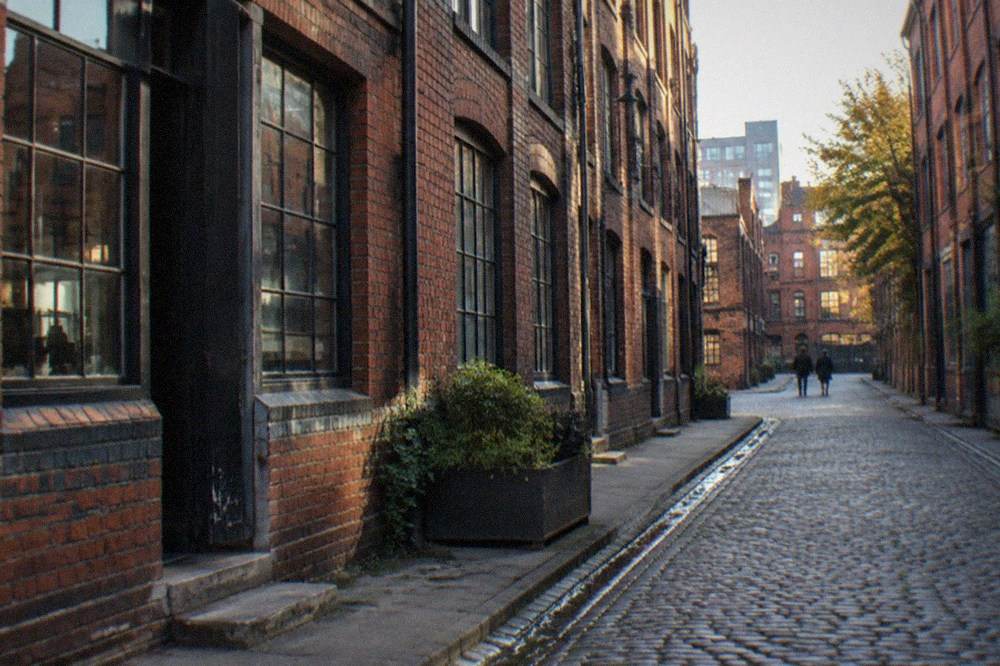
The conversion kept the industrial bones: brick, ironwork and the courtyard layout survive, and the name stayed. Walking the complex today, the custard heritage is mostly a story rather than an exhibit, told through the name and the architecture. What the site now does is give small creative businesses cheap space in interesting buildings, which is exactly the condition that produced the street art outside. The same pattern repeats across Digbeth: old industrial stock, low rents, artists. Understanding that chain explains why this quarter looks the way it does, and why Birmingham's street art concentrated here rather than in the glassier parts of the city centre.
Can You Make A Full Free Day Around Digbeth?
Yes, a full free day works well by combining Digbeth and the Custard Factory with the free city centre sights within walking distance, including the Bullring area, Birmingham Museum & Art Gallery and the Library of Birmingham, none of which requires a ticket for its free elements. The geography is friendly. Digbeth sits at one end of a walkable strip that runs through the Bullring and up to the civic squares and the museum district. A realistic free day moves along that strip rather than zig-zagging across the city.
The Bullring and Grand Central markets area is free to browse under standard shopping-centre public access, and it sits directly on the route between the city centre and Digbeth, making it the natural bridge between the two halves of the day.
Outside the Bullring stands one of Birmingham's most photographed objects, and it costs nothing to see. The Bullring bull statue is public art outside the shopping centre, freely viewable with no admission, and it has become the informal emblem of the city for visiting photographers.
From there the free cultural heavyweights are close. Birmingham Museum & Art Gallery offers free general admission with no booking required, with open galleries including the Pre-Raphaelites, the Staffordshire Hoard and the Birmingham History galleries, open Tuesday to Sunday and daily in school holidays, though some galleries are closed during a phased redevelopment targeted for full reopening in 2031.
The Library of Birmingham is also free public access, with Wi-Fi, computers and study space, and a full service Monday to Tuesday 11am to 7pm and Wednesday to Saturday 11am to 5pm, with an express service on the lower floors outside those hours; the building's rooftop Secret Garden terrace on Level 7 is free during opening hours. A day that stacks the library, the museum, the squares, the Bullring and Digbeth spends nothing and sees a great deal.
What Should You Know Before Wandering Digbeth?
Digbeth rewards daylight visits, comfortable shoes and a relaxed pace, since the art is scattered across several streets rather than gathered in one spot, and the quarter's free status never wavers even when individual venues inside it charge. A few practical points make the difference between a good wander and a flat one. Go in daytime, when the courtyards are open and the light does the murals justice. Walk the side streets, because the biggest walls are obvious but the smaller pieces hide. Accept that the art changes, so a mural seen online may already be gone.
A little planning on the free and paid boundary helps too. Everything in the public realm is free. Anything inside a venue, a gig in an arch or a drink in a bar is paid and optional. The table below separates what a visitor actually spends on.
| Element Of A Digbeth Visit | Cost | Notes |
|---|---|---|
| Street art and murals | Free | Public realm, viewable any time |
| Custard Factory courtyards | Free to walk around | Daytime access, follows business hours |
| Getting there on foot from the centre | Free | A few minutes' walk from the Bullring |
| Coffee, food, vinyl in independent units | Paid, optional | Supports the quarter's independent businesses |
| Nightlife in the railway arches | Paid, optional | Ticketed events, not part of the free visit |
| Guided free walking tour of central Birmingham | Free, pay what you want | Tipping the guide at the end is customary |
How Does Digbeth Compare With Birmingham's Other Free Areas?
Digbeth is Birmingham's most concentrated free street art and creative quarter, while the city's other free highlights are civic and green: the squares, the free museums and galleries, the canal towpaths and the large parks, each offering a different flavour of free day out. The comparison matters for planning. Digbeth is informal, self-guided and constantly changing. The city centre's free offer is grander and more fixed: civic squares, a free flagship museum, cathedral interiors and the Library of Birmingham.
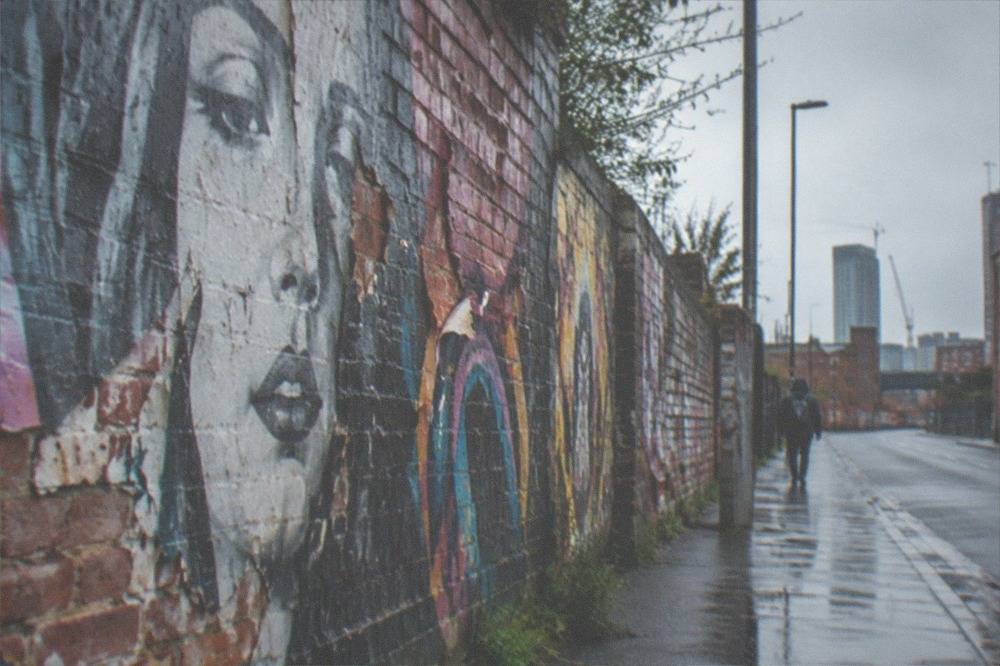
The canal side is the third strand. Gas Street Basin and Birmingham's canal towpaths are free public realm at all times, and they give the city its most distinctive free walk outside Digbeth's painted streets. The parks, from Cannon Hill to Sutton Park, a National Nature Reserve, are the free option for anyone who wants green rather than brick. The honest summary is that Digbeth does something none of the others do: it is the only part of the city where the free attraction is the neighbourhood itself.
| Free Area Of Birmingham | Character | Best For |
|---|---|---|
| Digbeth and the Custard Factory | Street art, independent creative quarter | Photography, wandering, indie shopping |
| City centre squares and civic buildings | Grand civic architecture, statues | A short free stroll between sights |
| Birmingham Museum & Art Gallery | Free museum and art galleries | Pre-Raphaelites, Staffordshire Hoard, city history |
| Library of Birmingham | Free public building with rooftop terrace | Views, quiet time, architecture |
| Gas Street Basin and canal towpaths | Free waterside public realm | A free walk along the canals |
| Cannon Hill Park, Sutton Park and others | Free parks, one a National Nature Reserve | Green space, picnics, wildlife |
Is Digbeth Suitable For Families And Photographers?
Digbeth suits families and photographers well as a free daytime wander, with colourful walls, safe public streets and plenty of photo opportunities, though the quarter shifts to a licensed nightlife district in the evenings, which is why daytime is the family window. Photographers get the richer deal. The murals are large, bold and close to the street, the industrial brick gives texture, and the changing artwork means repeat visits yield new shots. Early morning light works well on the main east-facing walls, and weekday mornings are quietest.
Families should treat it like any urban walk. The daytime public realm is ordinary city street, and the courtyards are open and relaxed. Children tend to enjoy the scale of the big murals, and the free price means there is no sunk cost if the visit lasts twenty minutes. The caveats are the obvious ones: the quarter's venues serve alcohol in the evening, some artwork is adult in tone, and the nightlife crowds arrive later. Go in the morning or early afternoon and Digbeth is one of the most family-friendly free things in Birmingham.
What Is Near Digbeth Worth Adding To A Free Day?
Several genuinely free sights sit within easy reach of Digbeth, including St Philip's Cathedral, the Millennium Point atrium and the city centre squares, while one nearby attraction, the Coffin Works, is paid except on its Wednesday community day for Ladywood Ward residents with proof of address. Mixing a paid attraction into a free day is worth knowing about in advance so nothing catches a visitor out. The honest pattern for the area around Digbeth is mostly free, with a couple of clear exceptions.
St Philip's Cathedral Birmingham offers free general entry during normal cathedral opening hours, with donations welcome, and its baroque-era architecture and Burne-Jones windows make it one of the city centre's most rewarding free interiors. The Millennium Point atrium is free to enter and walk through without buying a ticket for Thinktank, the paid science museum inside the same building, so the public areas cost nothing even though the museum does not. The Coffin Works, the former Newman Brothers factory, is a paid museum, with its free access limited to the Wednesday community day for local residents. All three sit close enough to Digbeth to slot into the same day.
Common Questions
Is The Custard Factory Free To Enter?
Yes, the Custard Factory is free to walk around. It is an independent creative quarter in the old Bird's custard works, and its courtyards and street art sit in the public realm with no admission charge. The shops and cafes inside follow their own opening hours, so daytime visits see the most of it.
Where Is Digbeth's Street Art Concentrated?
The densest street art sits around Gibb Street, the Custard Factory complex and Digbeth High Street, spreading into the side streets and railway arches. The large murals tend to be on the gable ends of industrial buildings, with smaller pieces on shutters, doorways and arch pillars. The artwork changes constantly, so expect a different set of walls on every visit.
How Far Is Digbeth From Birmingham City Centre?
Digbeth begins a few minutes' walk east of the Bullring, and the Custard Factory on Gibb Street sits just off Digbeth High Street. The quarter is close enough to the free city centre sights, including Birmingham Museum & Art Gallery and the Library of Birmingham, that a full free day can cover both on foot.
Can You Visit Digbeth At Night For Free?
The street art is viewable from the street at any time, but the quarter's venues, gigs and clubs in the railway arches are paid nightlife. For the free experience, go in daytime, when the courtyards are open, the businesses are trading and the murals are easy to photograph.
Is Digbeth Good For Photography?
Yes, Digbeth is one of Birmingham's best free photography locations. The murals are large, close to the street and constantly changing, and the industrial brickwork gives every shot texture. Early morning light and weekday mornings offer the quietest conditions for pictures.
Is There A Free Guided Walking Tour That Covers Birmingham?
Yes. The Free Birmingham Walking Tour - Stories, Landmarks & Local Insights runs on GuruWalk, listed by an independent local guide called Philip. It is free on a pay what you want basis, lasts about two hours, and is rated 4.78 out of 5 across 59 GuruWalk reviews. It is not operated by this site; it is a referral to a guide's listing on GuruWalk.