Is Birmingham Botanical Gardens Free? Price And What's Free Nearby
Birmingham Botanical Gardens charges for entry, but some of the best green space in the city around it costs nothing at all.
Short answer
No. Birmingham Botanical Gardens requires a paid day ticket, roughly 10 to 11 pounds for an adult booked online, though several genuinely free parks and gardens sit close by.
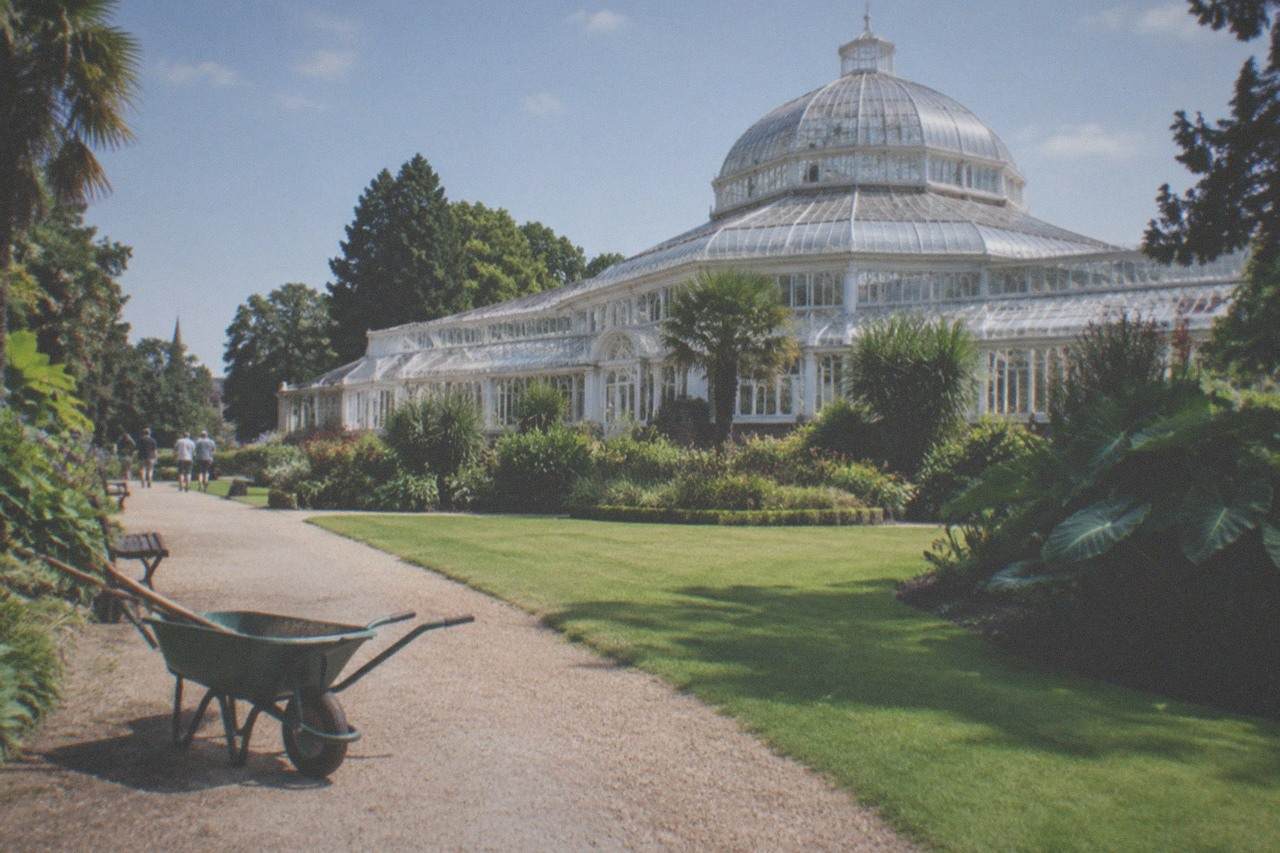
Birmingham Botanical Gardens is one of the city's best known green spaces, a 15 acre site in Edgbaston with four glasshouses, a lawn aviary and a bandstand that has stood on the same spot since the Victorian era. It appears on plenty of free things to do lists, which is a problem, because entry is not free. This guide sets out what a ticket actually costs, what the ticket includes, and then does something more useful: it maps the genuinely free parks, reservoirs and rooftop gardens within a short distance of the gates, so a day built around Edgbaston does not have to start with a ticket queue.
No, Birmingham Botanical Gardens is not free. Entry requires a day ticket, with standard adult admission at roughly 10 to 11 pounds booked online with an arrival time, and child, concession and family tickets priced below that. The gardens sit in Edgbaston, though, and several of the city's genuinely free green spaces are close by, including Cannon Hill Park, Edgbaston Reservoir and the Library of Birmingham's rooftop Secret Garden.
Here is the pricing picture at a glance, drawn from the gardens' own admission information:
| Ticket Type | Price (approximate) | Notes |
|---|---|---|
| Adult day ticket | 10 to 11 pounds | Book online with an arrival time |
| Child (5 to 15) | roughly 7 pounds | Under 5s free or low cost |
| Concession | roughly 9 pounds | Booked online |
| Family ticket | roughly 31 to 34 pounds | Covers the household group |
| Promotional days | Varies | Occasional discount days appear during the year |
Prices move with the seasons and with promotions, so treat those figures as the standard band rather than a quote, and check the gardens' own site before booking. The one thing the record is clear on is the structure: this is a paid, ticketed attraction, and no free general entry exists.
For anyone whose real goal is simply a good day out in Birmingham without paying for it, the city centre has an option that flips the whole question. The Free Birmingham Walking Tour - Stories, Landmarks & Local Insights, run by the independent guide Philip on GuruWalk, covers the landmarks and stories of central Birmingham in about two hours on a free, pay what you want basis, rated 4.78 out of 5 across 59 GuruWalk reviews. It costs nothing to join, and it pairs well with any of the free parks covered later in this guide.
What Does Birmingham Botanical Gardens Cost To Visit?
A standard adult day ticket costs roughly 10 to 11 pounds, with children aged 5 to 15 at roughly 7 pounds, concessions at roughly 9 pounds and family tickets from roughly 31 to 34 pounds. Tickets are booked online with an arrival time, and occasional promotional discount days appear during the year. The gardens use timed arrival slots rather than open turnstile entry, so the practical experience of visiting starts with choosing a slot in advance, the same pattern used by Cadbury World and the National Sea Life Centre elsewhere in the city.
That price band matters because Birmingham has a strong tradition of genuinely free civic green space, and the contrast is sharp. Cannon Hill Park, Edgbaston Reservoir and the Lickey Hills all cost nothing to enter, and the Library of Birmingham's rooftop garden is free during opening hours. Against that backdrop, the Botanical Gardens' ticket buys something specific: a curated, planted collection rather than open parkland. The four glasshouses hold tropical, subtropical, Mediterranean and arid zone planting that no free park in the city replicates, and the site's plant collection is the reason people pay.
The gardens are run as an independent educational charity rather than as a council park, which is the structural reason a ticket exists at all. Council owned parks in Birmingham are free at the gate because the council funds them; the Botanical Gardens keeps a historic plant collection alive on admission income, memberships and donations. That does not make it cheap, but it explains why it sits in a different category from the free parks a mile or two away.
The paragraphs below discuss the gardens as a place, separate from the price question.
The site itself is compact and dense. Fifteen acres sounds small next to Sutton Park's thousand plus, but the planting is layered: formal terraces, a rock garden, the lawn aviary with its flamingos and parrots, and the main range of glasshouses reached past the bandstand. Most visitors circle the whole site in two to three unhurried hours. Families with children tend to stay longer, because the aviary and the glasshouses give younger visitors something to hunt for in each zone.
Is Birmingham Botanical Gardens Worth The Ticket Price?
For plant enthusiasts and families wanting a half day of structured things to look at, the ticket is defensible: the glasshouse collection and lawn aviary are unique in the city. For visitors who just want green space, a walk or a picnic, the free alternatives nearby deliver the same day out without the cost. The honest answer depends entirely on which of those two visitors is asking.
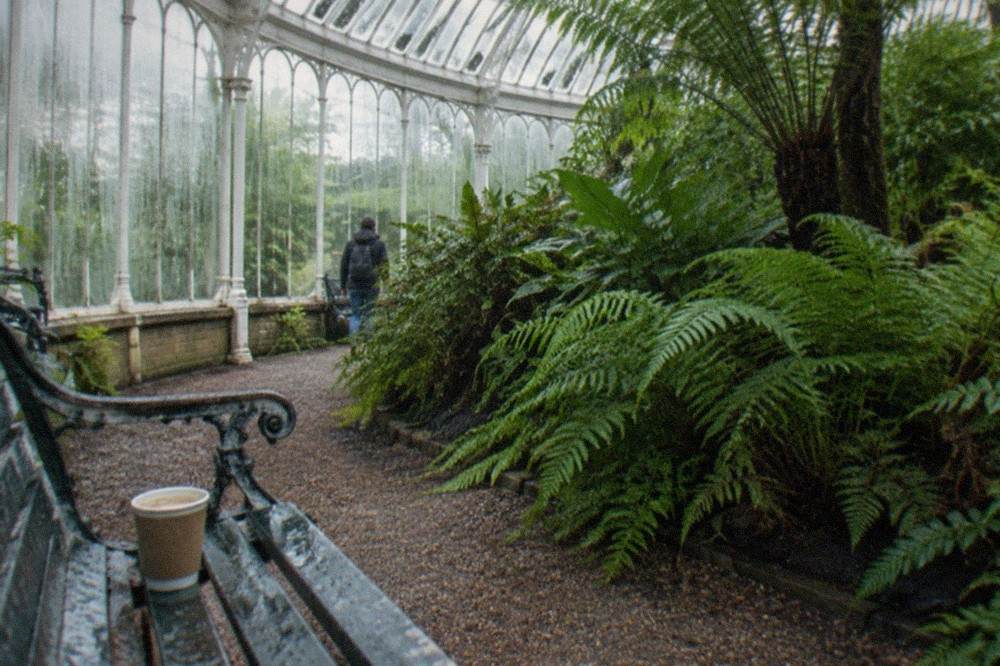
The case for paying rests on the collection. A subtropical house with tree ferns, an arid house with cacti and agaves, and a tropical house dense enough to feel like weather are not experiences the free parks offer, and on a grey Birmingham afternoon the glasshouses are worth more than they are on a bright June weekend. The case against paying is that the free parks around Edgbaston are, frankly, larger, wilder and free, and if the goal is fresh air rather than botany, the ticket buys nothing the parks do not.
A useful rule of thumb: if the plan involves reading plant labels, pay. If the plan involves a flask, a football or a long walk, do not. The sections that follow cover the free options in detail, and one paid neighbour worth knowing about, so the comparison is on the table rather than implied.
| Green Space Near Edgbaston | Entry Cost | What You Get |
|---|---|---|
| Birmingham Botanical Gardens | Paid, adult roughly 10 to 11 pounds | Glasshouses, plant collection, lawn aviary, bandstand |
| Winterbourne House and Garden | Paid, adult roughly 10.20 to 10.80 pounds | Arts and Crafts garden, historic house, university botanic collection |
| Cannon Hill Park | Free | 250 acres of parkland, lakes, gardens, play areas |
| Edgbaston Reservoir | Free | Walking path around a 70 acre city reservoir |
| Lickey Hills Country Park | Free | Woodland, heathland and views over the city |
What About Winterbourne House And Garden Nearby?
Winterbourne House and Garden, on the University of Birmingham's Edgbaston campus, is also paid: adult admission runs roughly 10.20 to 10.80 pounds, with children at roughly 7.30 to 7.70 pounds and concessions around 8.85 to 9.40 pounds. University of Birmingham staff and students get in free with ID, and the site is open daily with seasonal hours. It is the Botanical Gardens' closest like for like comparison, and the two are often confused by visitors planning an Edgbaston day.
Winterbourne is a restored Edwardian Arts and Crafts house with a seven acre garden that doubles as the university's botanic garden, so it carries a similar planted collection appeal at a similar price. The sandstone terrace, the walled garden and the wildflower meadow make it the more intimate of the two, where the Botanical Gardens is the more complete glasshouse day. Neither is free, and the free entry rule here is narrow: University of Birmingham staff and students with ID pay nothing, everyone else pays the standard band.
For a visitor choosing between the two paid gardens, the practical differences are size and character. Winterbourne is quieter, smaller and easier to combine with a campus walk; the Botanical Gardens has the aviary and the bigger glasshouse range, which matters more with children. Anyone planning to visit both should budget for two separate tickets, because no shared or combined admission exists between them.
What Free Parks Are Near Birmingham Botanical Gardens?
The closest genuinely free alternatives are Cannon Hill Park, about a mile and a half south east, and Edgbaston Reservoir, about a mile north east, both free to enter with no ticket or booking. Further out, the Lickey Hills Country Park and Sutton Park offer free woodland and heathland on a much larger scale. None of them charges at the gate, and none requires the online arrival slot the Botanical Gardens does.
Cannon Hill Park is the easiest substitute. It is Birmingham's flagship council park, roughly 250 acres of lakes, formal gardens, meadows and play areas, given to the city by the donor who funded its creation in the Victorian era and free at the gate ever since. Gates open around 7:30am and close at dusk. The park holds a boating lake, a small fun fair and mini golf, and honesty requires the condition: those activities inside the park are separately paid. Walking in, picnicking, using the playgrounds and the parkland itself costs nothing.
The Lickey Hills, south west of the city centre, are the free option with actual elevation. The country park's woodland and heathland ridges give views back across Birmingham, and the main car parks charge for parking, which is the only condition on an otherwise free visit. Arriving by bus or on foot removes even that cost. The Lickey Hills are bigger than any paid garden in the city by an order of magnitude, and they are free every day of the year.
Sutton Park deserves its own section, because it is not merely free but nationally protected, and it is the single strongest answer to this whole article's question.
Is Sutton Park Really Free And Worth The Trip?
Yes. Sutton Park is free to enter, and it is a National Nature Reserve covering well over a thousand acres of heathland, woodland and lakes, making it one of the largest urban parks in Europe. Paid car parking applies at some entrances, which is the only cost most visitors encounter. It sits in Sutton Coldfield, reachable by rail from Birmingham city centre, and it makes the paid garden ticket look like a very small proposition.
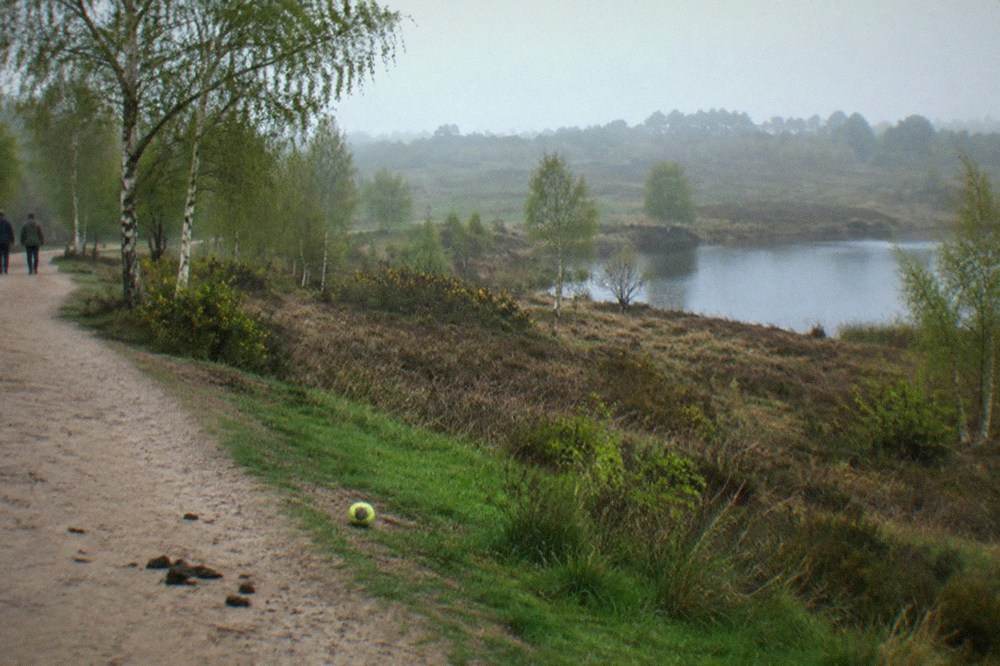
Where the Botanical Gardens offers fifteen curated acres, Sutton Park offers wild space on a scale the city has no business containing: seven lakes, ancient woodland, grazing cattle on the heath, and bridleways and footpaths that can fill an entire day. It is the kind of park where a two hour visit feels rushed. For visitors who want nature rather than horticulture, it is the best free answer in the entire West Midlands, and it costs nothing beyond the fare to get there.
Can You Build A Free Day Out Around Edgbaston?
Yes. A full free day can be built from Edgbaston Reservoir's walking path, Cannon Hill Park, the Library of Birmingham's rooftop Secret Garden and the city centre squares, with the free GuruWalk walking tour slotting into the middle of the day. Nothing in the itinerary below requires a ticket. The Botanical Gardens area is, in other words, surrounded by free infrastructure, which is exactly why this question comes up so often.
| Time | Free Activity | Cost |
|---|---|---|
| Morning | Walk the path around Edgbaston Reservoir | Free |
| Late morning | Bus or walk into the city centre | Fare only |
| Midday | Free Birmingham walking tour with Philip on GuruWalk, about two hours | Free, pay what you want |
| Afternoon | Library of Birmingham, including the Level 7 Secret Garden | Free during opening hours |
| Late afternoon | Chamberlain Square, Victoria Square and Centenary Square | Free, always open |
| Alternative day | Cannon Hill Park or the Lickey Hills | Free entry |
The reservoir is the quiet start. A public walking path circles the whole 70 acre sheet of water, popular with runners and birdwatchers, with open access and no admission of any kind. From the eastern edge it is a reasonable walk or a short bus ride into the centre, where the rest of the day runs entirely on free public space. The Library of Birmingham's Secret Garden, the rooftop terrace on Level 7, is free during library opening hours with no separate ticket, and the three adjacent city squares are open around the clock.
What Free Attractions Are Close To The Botanical Gardens By Area?
Within Edgbaston itself, the free options are Edgbaston Reservoir's walking path and the campus public realm around Winterbourne. The paid concentration is real: the Botanical Gardens, Winterbourne and the Barber Institute of Fine Arts all sit in the same district, and the Barber is currently closed for refurbishment with reopening expected in 2026. Knowing which district holds which free thing saves a wasted journey.
Edgbaston is Birmingham's paid garden district, and that is worth stating plainly. The Barber Institute of Fine Arts, on the university campus, is free when open but has been closed since January 2025 for a major refurbishment, so it cannot be counted in a current free itinerary. Winterbourne is paid. The Botanical Gardens is paid. The free assets in the immediate area are the reservoir path and the campus grounds, and anything richer requires heading to Cannon Hill, the city centre or the Lickey Hills.
The city centre, ten to fifteen minutes away by bus or train, is where the free list gets long again: Birmingham Museum & Art Gallery's open galleries, the Ikon Gallery, both cathedrals, the canal towpaths at Gas Street Basin and the Bullring's bronze bull are all free, and several are within walking distance of each other. A visitor who has paid for a garden ticket in the morning can still fill an afternoon at no cost, and a visitor who has not can fill the whole day.
When Is The Best Time To Visit The Gardens Or The Free Parks?
The free parks are at their best from late spring to early autumn, and the Botanical Gardens' glasshouses are the better paid choice in cold or wet weather. The Botanical Gardens runs seasonal opening hours, and the free parks open roughly from 7:30am to dusk, with Sutton Park and the Lickey Hills open year round. Timing can decide whether the ticket feels worth it.
Summer weekends are the Botanical Gardens' busiest slots, and the arrival time system means late bookers get the least attractive windows. The free parks absorb crowds far better: Cannon Hill on a busy Sunday still has corners to yourself, and Sutton Park never feels full because it is simply too large to fill. For the glasshouses, a winter weekday is the smart paid visit, because the tropical house is at its most dramatic against a grey sky outside.
For the free itinerary, the library rooftop Secret Garden needs library opening hours, which run Monday and Tuesday 11am to 7pm and Wednesday to Saturday 11am to 5pm, closed Sunday, so it belongs midweek in a plan rather than on a Sunday. The squares and the canal towpaths have no hours at all. The reservoir path is informal and walkable in daylight whenever the mood strikes.
Can You Visit Birmingham Botanical Gardens For Free Any Other Way?
No free general entry route exists at Birmingham Botanical Gardens on the current record. Occasional promotional discount days appear during the year, which reduce the ticket but do not remove it, and no free day, resident scheme or student walk up is documented. Visitors hoping for a loophole will not find one in the verified record.
This matters because other Birmingham attractions do have exactly those loopholes. Thinktank, the science museum at Millennium Point, is paid at general admission but gives university students free walk up entry Tuesday to Friday with valid student ID. Coffin Works, the Newman Brothers factory museum, runs a Wednesday community day free for Ladywood Ward residents with proof of address. Winterbourne is free for university staff and students. The Botanical Gardens has no equivalent scheme in the verified facts, and a discount day is a cheaper ticket, not a free one, so the honest position is simply that this attraction is paid.
The nearest genuine free horticultural experience in the city, once the Barber Institute reopens, will be that gallery's free admission, and the nearest free garden of any kind is the Library of Birmingham's rooftop terraces. Until then, the free parks carry the day.
How Do You Get To Birmingham Botanical Gardens And The Free Parks?
The Botanical Gardens sit on Westbourne Road in Edgbaston, about two miles from the city centre, reachable by bus from the centre, with the free parks spread around it: Cannon Hill Park to the south east, Edgbaston Reservoir to the north east, and the Lickey Hills and Sutton Park further out with rail and bus links. None of the free parks requires a car, and the paid gardens' arrival slot is the only time pressure in the area.
From the city centre, buses along the Bristol Road corridor serve the university and Edgbaston, and rail links run to Sutton Coldfield for Sutton Park from Birmingham city centre stations. The Lickey Hills have bus services from the south west of the city, and their main car parks charge for parking, so arriving without a car is both possible and cheaper. Cannon Hill Park and Edgbaston Reservoir are both walkable from bus routes that also serve the Botanical Gardens, which makes a mixed day easy: a paid garden morning and a free park afternoon use the same transport corridor.
For a car free day built entirely on free entry, the strongest pairing is the city centre in the morning, the free GuruWalk walking tour around midday, and Cannon Hill Park or the reservoir in the afternoon, all linked by ordinary bus fares with no admission anywhere.
What Else Should You Know Before Planning A Gardens Visit?
Book the Botanical Gardens ticket online with an arrival time, expect to spend two to three hours on site, and remember that the free parks nearby have longer hours and no booking at all. Winterbourne, the other paid garden in the district, is open daily with seasonal hours, and the Barber Institute remains closed for refurbishment. A little planning separates the good value visits from the disappointing ones.
Families should weigh the Botanical Gardens' aviary and glasshouses against Cannon Hill Park's free playgrounds and open space; children usually vote for the park, plant enthusiasts for the glasshouses. Photographers get more from the free reservoir at sunrise than from any ticketed site at noon. And anyone visiting Birmingham on a tight budget should treat the paid gardens as an optional extra rather than the anchor of the day, because the city's free core, from the museum galleries to the canal towpaths, is genuinely strong and genuinely free.
The closing selection below pulls together three of the strongest free green spaces covered in this guide, all verifiable free with their conditions stated, for anyone planning the no ticket version of the day.