Cannon Hill Park: Birmingham's Free City Park
Cannon Hill Park is Birmingham's biggest and best-loved free city park, two miles from the centre, with 250 acres of lakes, gardens and open grass that cost nothing to walk into.
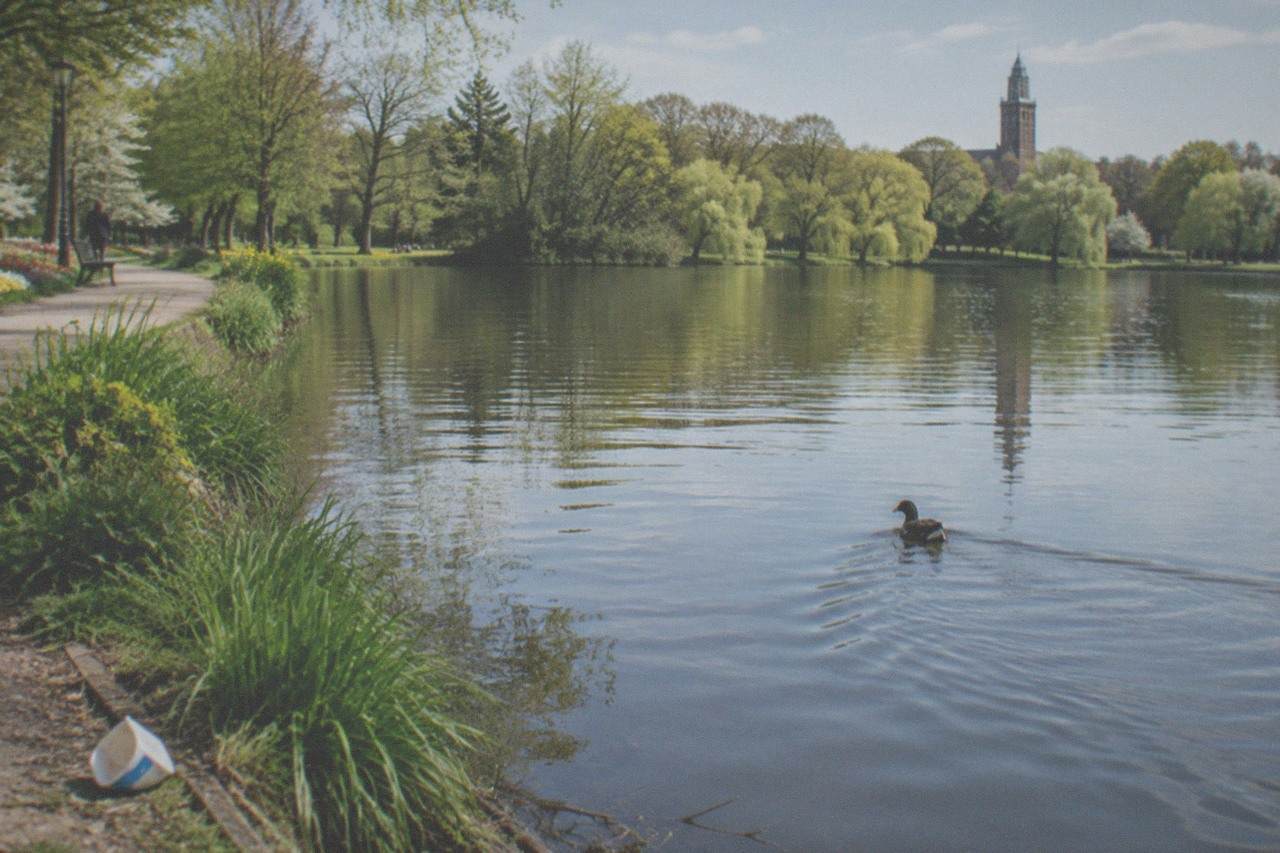
Short answer
Yes, Cannon Hill Park is free to enter, with gates open roughly 7:30am to dusk every day; only the mini-golf, boating and fun fair rides inside the park charge separately.
Yes, Cannon Hill Park is free to enter. The gates open roughly 7:30am and stay open until dusk, every day of the year, and there is no admission charge, no ticket and no booking. The catch is a small one: the mini-golf, the boating lakes and the fun fair rides inside the park are run as separate paid attractions, so a family visit can still cost money if you let it.
The park sits about two miles south of the city centre, close to Edgbaston, and it is the kind of place that locals treat as an extension of their own back gardens. On a summer Saturday the main lawns fill with picnics, cricket games and birthday parties within an hour of the gates opening. On a grey Tuesday in February you can walk the full circuit of the lakes and pass perhaps a dozen other people, all of them dog walkers or runners with somewhere to be. Both versions are the same park, and both cost nothing at the gate.
What follows is a practical guide to the park as a free day out: what is genuinely free, what quietly charges, when to go, how to get there without a car, and how it fits alongside Birmingham's other free green spaces and free city-centre sights.
| Cannon Hill Park at a glance | |
|---|---|
| Entry cost | Free, no ticket or booking |
| Opening hours | Gates roughly 7:30am to dusk, daily |
| Size | Around 250 acres |
| Location | Russell Road, Edgbaston, about two miles from the city centre |
| Paid extras inside | Mini-golf, boating, fun fair rides |
| Free highlights | Lakes, flower gardens, play areas, wide lawns, tree-lined paths |
Before or after a day in the park, the Free Birmingham Walking Tour - Stories, Landmarks & Local Insights, run by the independent local guide Philip on the GuruWalk platform, covers the city-centre landmarks in about two hours. It is free to join, pay what you want at the end, and it is rated 4.78 out of 5 across 59 GuruWalk reviews.
What Is Cannon Hill Park?
Cannon Hill Park is a roughly 250-acre Victorian public park in Edgbaston, south of Birmingham city centre, opened to the public in 1873 on land given to the city by Louisa Ryland. It remains one of the largest and most visited free parks in the city, laid out with two large lakes, formal flower gardens, mature tree planting and wide open lawns.
The land came from Louisa Ann Ryland, a member of the Ryland family whose wealth came from Birmingham's thread and wire trade. She gave the fields to the growing industrial town on the condition that they stayed open as a public park, and the layout that followed, with its lakes formed from the River Rea, boating promenade and bandstand lawns, still shapes how the park is used today. The name itself is older than the park: Cannon Hill is thought to refer to a Civil War-era cannon position, though the park's own signage treats the story with a certain looseness and visitors should not expect a cannon to be pointed out on a walk.
The park's role in the city is straightforward. Birmingham grew dense and brick-built through the nineteenth century, and its wealthier suburbs hoarded the green space. Cannon Hill was the democratic answer: a park big enough that a factory worker's family could spend a whole Sunday inside it without paying anyone anything. That is still its job. The lawns are big enough to absorb a fun fair, a parkrun, a cricket match and three hundred picnics on the same afternoon, and the lakes and planting give the park enough variety that a walk around it does not feel like laps.
For a free day out, the park divides naturally into zones. The northern end, nearest the main Russell Road entrance, holds the formal gardens, the lakes and most of the paid attractions. The southern and eastern reaches are quieter: meadow grass, tree belts and the path of the River Rea along the eastern edge, where the park feels closer to countryside than to a city suburb.
Is Cannon Hill Park Really Free?
Yes. Entry to Cannon Hill Park is genuinely free, with no ticket, no booking and no suggested donation at the gate, and the gates open roughly 7:30am until dusk every day. The only things that cost money inside are the separately operated mini-golf, boating and fun fair rides.
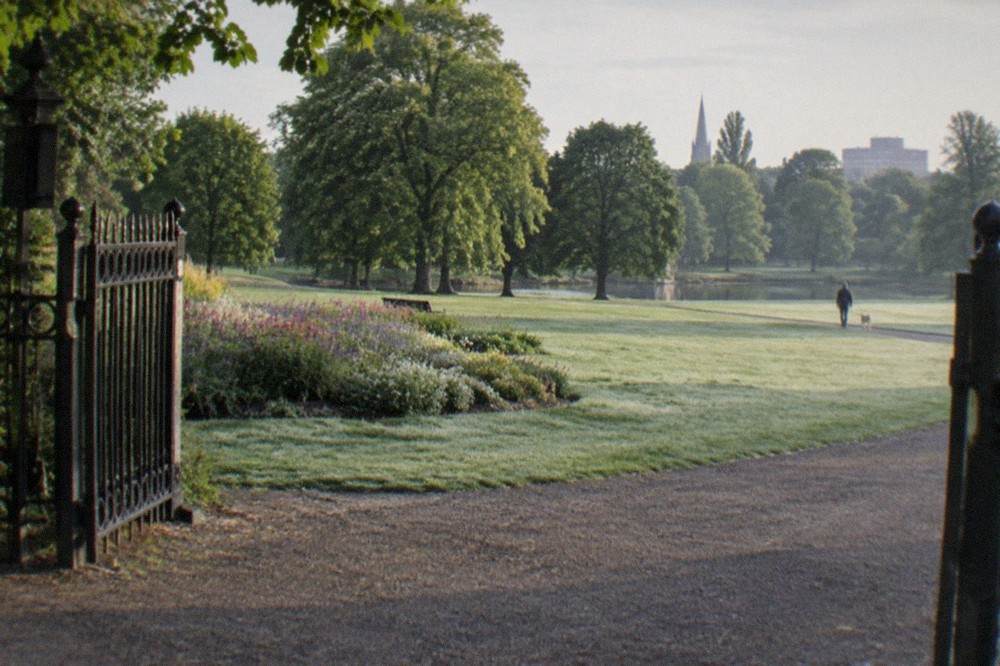
This distinction matters, because Birmingham has several attractions that get described as free in a loose way and are not. Cannon Hill Park is not one of them. The park itself, run by Birmingham City Council, is free public realm in the fullest sense: you walk in, you stay as long as you like, you pay nothing. There is not even a car-free hypocrisy at work, since arriving on foot or by bus avoids the only real cost, which is parking around the park's edges on busy days.
The condition that travels with the claim is the paid concessions inside. The mini-golf course, the boating on the lakes and the fun fair rides are operated as commercial attractions within the park, and they charge their own prices. None of them is compulsory. A family can spend an entire afternoon in the park, use the play areas, walk the lakes, eat a brought picnic and pay nothing beyond the bus fare. The paid activities are there for people who want them, and the park does a reasonable job of making it clear where the free ground ends and the paid rides begin.
| Free inside Cannon Hill Park | Paid inside Cannon Hill Park |
|---|---|
| Entry to the park, all day, every day | Mini-golf course |
| Both lakes and the lakeside paths | Boating and pedalos on the lake |
| Formal flower gardens | Fun fair rides |
| Children's play areas | Food and drink kiosks |
| Picnic lawns and benches | Parking around the park on busy days |
The honest summary is that Cannon Hill Park is free the way a public park should be free: the ground, the paths, the water, the trees and the lawns cost nothing, and the things that cost money are clearly optional extras rather than a disguised entry fee.
What Can You Do At Cannon Hill Park For Free?
The free core of Cannon Hill Park is the lakes and their wildlife, the formal flower gardens, the children's play areas, the wide lawns and the tree-lined walking circuit, all available through opening hours at no cost. A full loop of the park's main paths takes most walkers between 45 minutes and an hour at an easy pace.
The lakes are the park's centre of gravity. Two linked bodies of water dominate the middle of the park, and the paths around them carry most of the foot traffic. Waterfowl are the permanent residents: Canada geese, mallards, coots and moorhens are present year-round, and the lakes attract gulls, swans and the occasional more interesting visitor in winter. Feeding the birds is a ritual for visiting families, though the park's own guidance, in line with general good practice, is that bread is a poor choice and seed or oats are better for the birds.
The formal gardens sit near the main entrance and change with the seasons. Spring bedding, summer rose displays and autumn colour all get their turn, and the gardeners keep the beds dense enough that even a slow walk through them feels like the point of the visit rather than a corridor to somewhere else. The bandstand area and the surrounding lawns host free informal use all summer: picnics, ball games, sunbathing in the rare hot spells that Birmingham supplies.
The play areas are substantial and free. For a city that does not have a huge amount of genuinely free children's activity indoors, the park's playgrounds do a lot of quiet work, and they are busy on every dry weekend. The parkrun that uses the park on Saturday mornings is also free to join, and a casual visitor does not need to register to watch a few hundred runners come past the lakes at nine in the morning.
Then there is simply the walking. The tree-lined avenues, the meadow edges and the River Rea path along the eastern side give the park more walking variety than its flat site suggests, and the southern reaches are quiet enough that bird song, not traffic, is the main sound. That is the free product Cannon Hill Park actually sells, and it is a good one.
Which Activities At Cannon Hill Park Cost Money?
The mini-golf, the boating and the fun fair rides at Cannon Hill Park are separately paid attractions, and the food and drink kiosks charge normally; everything else in the park is free. None of the paid activities is needed to enjoy the park.
The mini-golf course sits near the lakes, and it is a conventional pay-per-round operation. The boating, pedalos and rowing boats on the lake run in the warmer months and charge by the boat or by the time slot. The fun fair rides, which appear in the park's northern area, are the classic travelling-style attractions: carousels, small coasters and side stalls, priced per ride, busiest during school holidays and at the park's seasonal events. Exact prices for all three change season to season and are posted at each attraction, so check at the kiosk before promising a child anything.
This is worth stating plainly because the paid extras are the most visible things in the park. A first-time visitor walking in from the Russell Road side meets the rides and the boating kiosk before they meet the meadows, and it is easy to form the impression that the park is a paid attraction with some grass attached. It is the reverse. The rides occupy a modest corner of 250 free acres, and the park's best experiences, the lakes at golden hour, the spring gardens, the quiet Rea-side paths, have no kiosk anywhere near them.
For a family budgeting a free day, the workable pattern is simple: set the expectation before arriving. The playgrounds, lawns and lakes cost nothing. If the budget allows one boat ride or one round of mini-golf, say so in advance and let that be the treat. The park supports that approach well, because the free territory is genuinely large enough that the paid corner is easy to walk past.
| Paid activity | Where it sits | When it runs |
|---|---|---|
| Mini-golf | Near the lakes, northern half of the park | Most of the year, weather permitting |
| Boating and pedalos | On the main lake | Warmer months |
| Fun fair rides | Northern events area | School holidays and seasonal events |
| Food and drink kiosks | Around the lake and main lawns | Daily in busy seasons |
What Are The Opening Hours And How Do You Get There?
Cannon Hill Park's gates open roughly 7:30am and close at dusk, every day of the year, and the park is about two miles south of Birmingham city centre, reachable by bus along the Pershore Road corridor in around 15 minutes. There is no indoor element, so the park's hours are daylight hours.
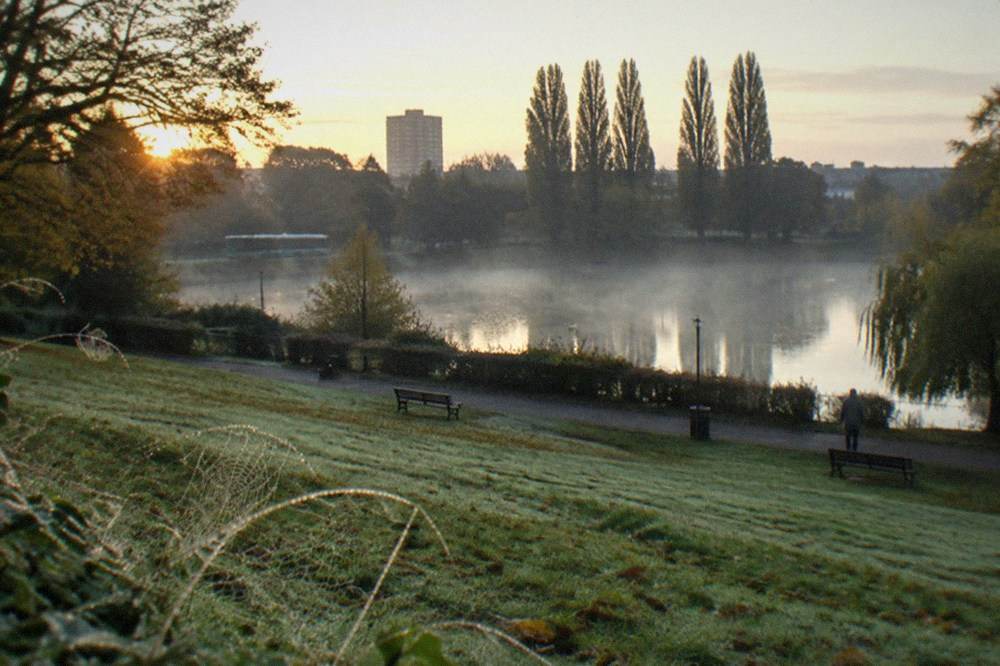
The dusk closing means the practical visiting window shifts with the seasons: a January visit is effectively over by mid-afternoon, while a June visit runs past nine in the evening. The park's own signage at each gate carries the seasonal closing times, and the rough 7:30am opening is consistent across the year. For planning purposes, treat mid-morning to mid-afternoon as the safe core window in winter, and be aware that the last hour before dusk is when the paths start emptying.
Getting there without a car is easy, and this is part of what makes the park such a strong free day out. Buses run south from the city centre along the Pershore Road (A456), which passes the park's western edge, and the journey is short enough that a family can do the whole trip for standard bus fares. Cyclists can reach the park along the Rea Valley route, which connects the park northwards towards the city centre, and the park's internal paths are largely flat and rideable. Arriving by train is less direct: the nearest stations are a walk or a short bus hop away, so bus or bike is the better plan.
Drivers should note that the park's own car parking is limited and fills early on sunny weekends and event days, and street parking in the surrounding Edgbaston streets is a mix of permit zones and timed bays. The free-entry claim stays true for drivers, but the stress of finding a space does not, and the bus is the calmer option on a good-weather Saturday.
How Does Cannon Hill Park Compare With Sutton Park?
Sutton Park is bigger, wilder and further from the centre, while Cannon Hill Park is more formal, more gardened and easier to reach by bus; both are free to enter, and Sutton Park carries National Nature Reserve status. Choosing between them is really a choice between a landscaped city park and a near-wilderness heath.
Sutton Park, up in Sutton Coldfield in the city's north, is one of the largest urban parks in Europe and a National Nature Reserve, with heathland, ancient woodland, seven lakes and grazing cattle wandering across open common. Entry is free, with paid parking at some of its entrances. Where Cannon Hill is Victorian and deliberate, with flowerbeds and a boating lake designed for Sunday promenading, Sutton is a landscape that largely predates and resists design. A walker at Sutton can spend an hour inside the heath and see no buildings at all.
The trade-off is distance. Sutton Park needs a train to Sutton Coldfield or a long drive, and it rewards a half-day or a whole-day commitment. Cannon Hill can be an impulse: a bus from town, two hours by the lakes, home for tea. For a visitor staying in the city centre without a car who wants green space inside a morning, Cannon Hill wins on logistics. For a local or a visitor with a full free day and a taste for proper wildness, Sutton Park is the bigger prize.
Is Lickey Hills Country Park A Better Free Day Out?
Lickey Hills Country Park, on Birmingham's southwestern edge, offers serious hills, woodland and views that flat Cannon Hill cannot match, with free entry and paid parking at the main car parks. It is the free park for walkers who want climbing, not lawns.
The Lickey Hills sit where Birmingham's suburbs run out into Worcestershire, and the country park covers hundreds of acres of woodland, heath and the highest ground close to the city. The view points over the city skyline are the draw: on a clear day the whole of Birmingham spreads out below, and the climb to earn it is real rather than decorative. For anyone who finds Cannon Hill's flatness a bit polite, the Lickeys are the corrective.
Again, the comparison is about what kind of free day you want. Cannon Hill is sociable, gardened and pushchair-friendly, with paid rides as an option and a bus at the door. Lickey Hills is a walking park: steep paths, mud in winter, car parks that fill on Sunday mornings, and no boating lake. Families with small children tend to get more out of Cannon Hill; walkers, runners and photographers get more out of the Lickeys. Both are free at the point of entry, which is the point this site exists to confirm.
Can You Pair Cannon Hill Park With Free City Centre Sights?
Yes. A bus along the Pershore Road links Cannon Hill Park to the city centre in around 15 minutes, where Birmingham Museum & Art Gallery, the Library of Birmingham and the civic squares are all free, making a two-stop free day easy to build.
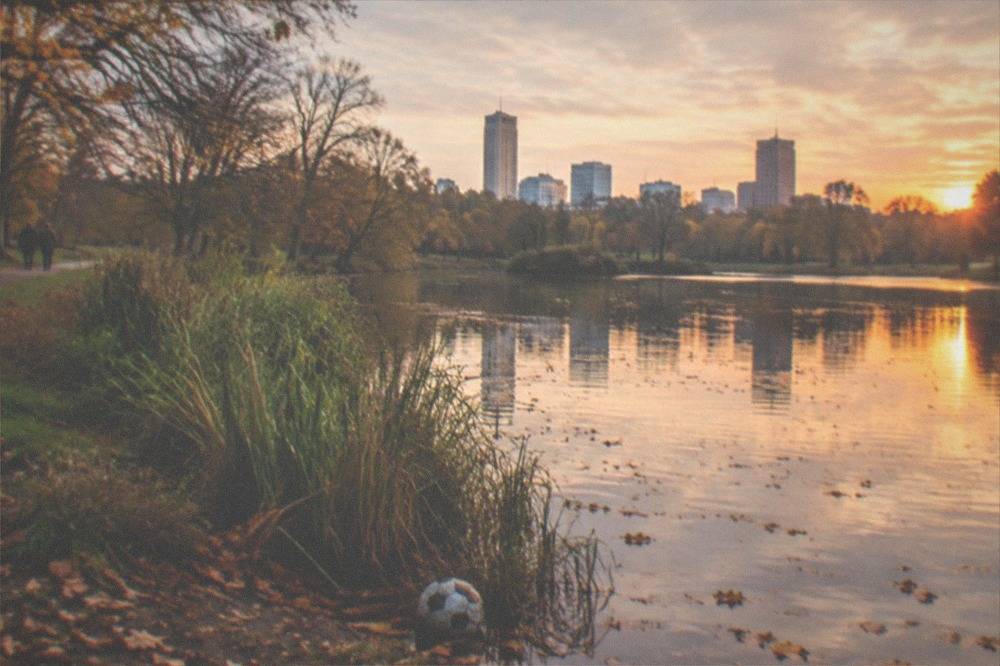
The strongest pairing is the museum. Birmingham Museum & Art Gallery sits in the city centre with free general admission and no booking required, Tuesday to Sunday 10am to 5pm and daily in school holidays and on bank holiday Mondays. Its open galleries include the Pre-Raphaelites, the Staffordshire Hoard, the Birmingham History galleries, the Round Room and the Industrial Gallery, though some galleries are closed as part of a phased redevelopment that targets full reopening in 2031. A morning in the park followed by an afternoon among the Pre-Raphaelites is a full free day that would cost real money in most European cities.
The Library of Birmingham works as the second stop or as a rainy-day swap for the park. Public access to the building is free, including the Wi-Fi, computers and study space, with full service Monday and Tuesday 11am to 7pm and Wednesday to Saturday 11am to 5pm, an express service on lower floors outside those hours, and Sunday closure. The rooftop terraces, including the Level 7 Secret Garden, are free during library opening hours and give one of the better free views over the city. Coming back from Cannon Hill with an hour of daylight left, the terrace is a good place to spend it.
The civic squares, Chamberlain Square, Centenary Square and Victoria Square, sit between the museum and the library and cost nothing to wander, which makes the whole centre-park itinerary walkable end to end. St Philip's Cathedral, Birmingham's Anglican cathedral, offers free general entry with donations welcome, and St Chad's, the Catholic cathedral further north, does the same. A visitor with a bus day ticket and a picnic can string together park, museum, library, squares and cathedral and spend nothing but the fare.
When Is The Best Time To Visit Cannon Hill Park?
The best free conditions at Cannon Hill Park are weekday mornings outside school holidays, when the lawns are quiet and parking is easy, while spring and early autumn give the gardens and the lakes their best colour. Summer weekends are the busiest and most event-filled, and winter visits are short but often beautifully empty.
Spring is the park's best-looking season. The formal beds are freshly planted, the trees along the main avenues come into leaf, and the lakes carry the duckling traffic that makes the park feel like the postcard version of itself. Early autumn runs it close, when the light goes low and gold across the lawns and the park is warm enough for a long picnic without the summer crowds. Summer is peak season: the boating and rides run at full tilt, every bench is taken by noon on a good Saturday, and the parkrun plus picnic plus fun fair combination fills the northern half of the park.
Winter deserves a word in defence, because the free-entry claim holds all year and the winter park is a different, quieter good. Frost on the lakes, the gardens stripped back to structure, and near-empty paths make a cold-weather circuit genuinely pleasant, provided the dusk closing time is respected. The paid rides largely pack up or thin out, which in winter is no loss at all.
Timing within the day matters more than most guides admit. The 7:30am opening means early risers get the park almost alone, and the first two hours after opening belong to runners, dog walkers and people who like silence. By late morning the character flips. For photography, the last hour before dusk, when the low sun comes straight down the main avenues, is the park at its most flattering.
What Should You Know Before You Go?
Bring a picnic, arrive by bus if you can, check the seasonal dusk closing time at the gate, and expect the paid rides to be the first thing you see. A few small preparations make the difference between a relaxed free day and an expensive surprise.
The picnic point is the practical one. The park's kiosks charge normal catering prices, and a family of four buying lunch inside the park can spend more in an hour than the entire rest of the day costs, which is to say more than nothing. The lawns are made for brought food, the benches around the lakes are plentiful, and nothing about the park's rules discourages it.
The expectation point matters for children. The fun fair rides are visible, loud and positioned near the main entrance, and a child who spots them at the start of the visit will negotiate for the next three hours. Decide before arriving whether rides, boating or mini-golf are on the budget, say the plan out loud in the bus, and the park's free majority does the rest.
The practicalities are ordinary but worth listing: the paths are mostly flat and accessible, the park is large enough that a printed or offline map helps on a first visit, the lakeside paths can be muddy after rain, and the eastern Rea-side paths are the quietest escape when the north of the park is busy. Toilets sit near the main facilities in the northern half. The park is a Birmingham City Council park, and the council's park pages carry the current seasonal closing times, which is the one detail worth checking on the day.
| Practical detail | What to expect |
|---|---|
| Entry | Free, no booking, no ticket |
| Gates | Roughly 7:30am to dusk, daily, seasonal dusk varies |
| Food | Kiosks charge; picnics welcome on the lawns |
| Rides and boating | Paid, posted prices at each kiosk, mainly in warmer months |
| Access | Mostly flat paths; bus along Pershore Road from the centre |
| Quietest times | Early mornings, weekday term time, winter weekdays |
Common Questions
Is Cannon Hill Park Free to Enter?
Yes. Cannon Hill Park is free to enter, with no ticket, no booking and no admission charge, and the gates open roughly 7:30am to dusk every day. The mini-golf, boating and fun fair rides inside the park are separately paid attractions, but none is required to enjoy the park.
How Big Is Cannon Hill Park?
Cannon Hill Park covers roughly 250 acres in Edgbaston, about two miles south of Birmingham city centre. It includes two lakes, formal flower gardens, play areas, wide lawns and the tree-lined paths of the River Rea corridor along its eastern edge.
What Time Does Cannon Hill Park Close?
The gates close at dusk, which shifts with the seasons, so winter visits end by mid-afternoon while summer visits can run past nine in the evening. The gates open at roughly 7:30am year round, and the seasonal closing times are posted at each gate.
Do You Have to Pay for Boating at Cannon Hill Park?
Yes, boating on the lake is one of the paid activities inside the park, along with mini-golf and the fun fair rides, and prices are posted at the kiosk. Entry to the park itself and the lakeside paths around the water remain free at all times.
How Do You Get to Cannon Hill Park From Birmingham City Centre?
Buses run south from the city centre along the Pershore Road, which passes the park's western edge, and the journey takes around 15 minutes. Cyclists can use the Rea Valley route, and drivers will find limited park parking that fills early on sunny weekends.
Is Cannon Hill Park Good for Children?
Yes, and the child-friendly core of the park is free: the play areas, the lawns, the lakeside duck-watching paths and the open space for ball games all cost nothing. The paid rides and boating are optional extras that families can budget for separately.