Lickey Hills Country Park: Free Entry, Paid Parking
Lickey Hills Country Park gives Birmingham one of its biggest free days out: hundreds of acres of woodland, heath and hills on the city's southwestern edge, with no entry charge at any gate.
Short answer
Entry to Lickey Hills Country Park is completely free at all times; the only standard cost is car parking at the main car parks, so arriving by bus or parking outside the pay areas makes the whole day free.
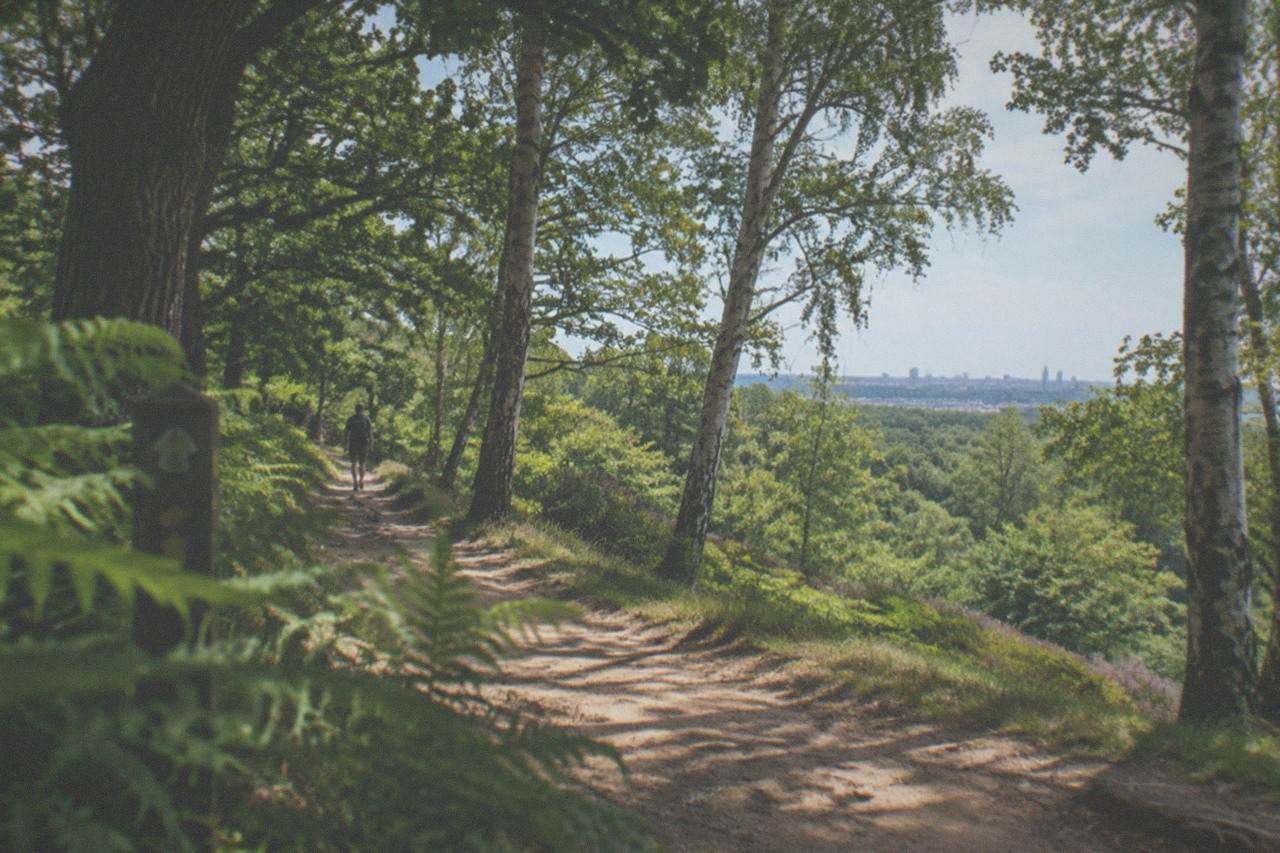
Lickey Hills Country Park sits on the southwestern edge of Birmingham, a stretch of woodland, heathland and hilltop viewpoints that belongs to the city yet feels nothing like it. On a clear day the view from the hills reaches across the whole West Midlands conurbation, and the paths underfoot are mud, gravel and root rather than pavement. For a visitor building a free itinerary around Birmingham, it answers the one question the city centre cannot: where do you go when you want sky, trees and a long walk without spending anything.
Yes, Lickey Hills Country Park is free to enter, every day, at every access point. Birmingham City Council, which runs the park, charges no admission and no per-person fee of any kind. The only standard cost is car parking at the main car parks, so a visit by bus, on foot or by bike is free from start to finish.
| Lickey Hills at a glance | Detail |
|---|---|
| Entry cost | Free, no admission charge |
| Parking | Paid at the main car parks |
| Operator | Birmingham City Council |
| Category | Country park, woodland and heathland |
| Access | Open public access on foot at all times |
| Best for | Hillside walking, viewpoints, woodland trails, family days out |
The park is one of Birmingham's genuinely free green spaces, and unlike several of the city's headline attractions there is no condition attached to walking into it. That distinction matters more than it might sound. Birmingham's best-known heritage sites frequently split into a free outdoor part and a paid indoor part, and a first-time visitor who assumes "free" applies to everything can arrive at a historic house and find a ticket desk. Lickey Hills has no ticket desk, no turnstile and no seasonal admission window. What it does have is a car park charge at the main entrances, which is the single fact most searches for this park are really trying to pin down.
For anyone pairing a hillside day with city exploring, the Free Birmingham Walking Tour - Stories, Landmarks & Local Insights, listed on GuruWalk and led by the independent guide Philip, is the natural bookend: about two hours of city-centre landmarks on a free, pay-what-you-want basis, rated 4.78 out of 5 across 59 GuruWalk reviews.
Is Lickey Hills Country Park Actually Free To Enter?
Yes, and without qualification. Birmingham City Council manages Lickey Hills as a public country park, and public park entry carries no charge. There is no gate fee, no suggested donation at the entrance, no weekend surcharge and no peak-season ticket. The park's paths, hills, woodlands and open heath are public space, and the council's own park listing confirms free entry as the standing rule.
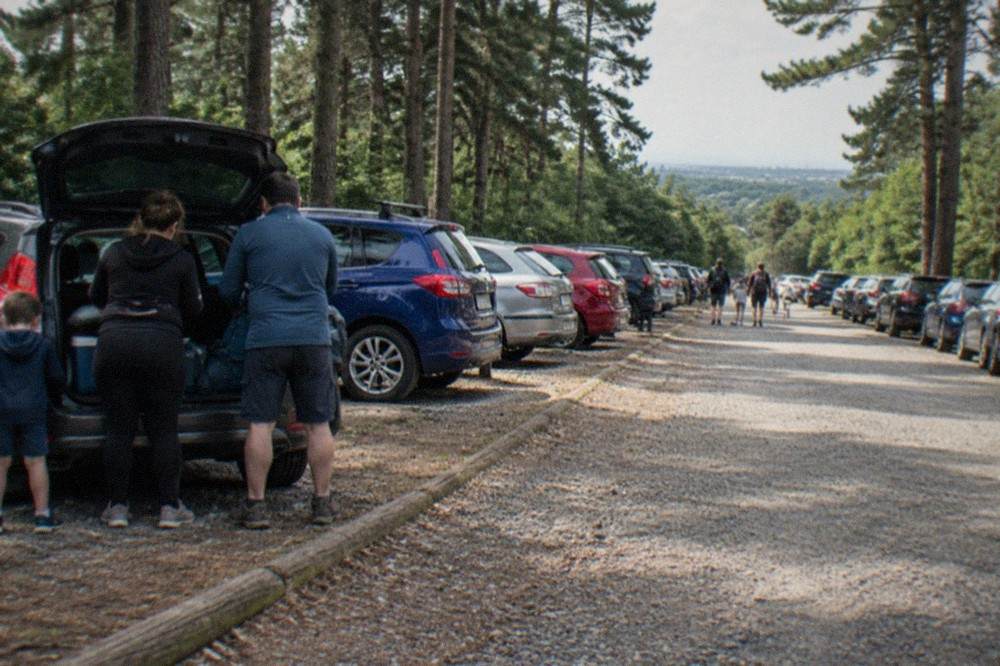
The only thing a visitor normally pays for is parking. The main car parks at Lickey Hills are paid, which is standard practice across Birmingham's larger country parks; Lickey Hills is not unusual in this. Anyone arriving by public transport, on foot or by bicycle bypasses that cost entirely. The practical takeaway is simple: the park is free, the car is not.
It is worth being precise about this because Birmingham's visitor economy mixes the two constantly. A search for "free things to do in Birmingham" will surface Aston Hall, Sarehole Mill and the Barber Institute of Fine Arts alongside Lickey Hills, and those three carry real conditions: Aston Hall and Sarehole Mill have free grounds but paid interiors and close for winter, and the Barber Institute is closed for refurbishment with reopening expected in 2026. Lickey Hills is the straightforward one. Free means free, and the only asterisk is the car park.
What Does Paid Parking At Lickey Hills Cost A Visitor?
The main car parks at Lickey Hills are paid, and that is the honest extent of what can be said with confidence: Birmingham City Council's park listing confirms paid car parking at the main car parks as the park's standing arrangement. Visitors should expect a standard pay-and-display setup at the busiest entrances, the kind found at council-run country parks across the West Midlands.
| Cost item at Lickey Hills | Free or paid |
|---|---|
| Park entry on foot | Free |
| Woodland and heathland trails | Free |
| Viewpoints and hilltop areas | Free |
| Car parking at main car parks | Paid |
| Arriving by bus | Free of park charges |
| Arriving by bike or on foot | Free of park charges |
A few practical notes follow from that. The charge applies at the main car parks, which are the ones nearest the popular entrances and the visitor facilities. Drivers who want to avoid it sometimes park on surrounding residential streets and walk in, which keeps the day free but shifts the cost onto a longer approach on foot. That is a personal trade-off rather than a recommendation either way.
The other route to a completely free visit is the bus. Lickey Hills sits on Birmingham's southwestern edge, in reach of regular bus services from the city, and a bus-and-boot day out costs nothing at the park end. For a visitor already in Birmingham without a car, this is the default plan and the cheaper one by definition, since there is no parking step at all.
What Can You Do At Lickey Hills Without Paying Anything?
Nearly everything the park exists for is free. The core offer is walking: a network of paths crosses the hills through woodland, open heath and grassland, with routes that suit everything from a short pram-friendly loop to a long half-day circuit. The terrain is one of the reasons the park is valued locally, because Birmingham is famously flat and Lickey Hills is one of the few large green spaces in or near the city where the ground genuinely rises and falls.
| Free activity at Lickey Hills | What it involves |
|---|---|
| Hillside walking | Woodland, heath and grassland paths across the park |
| Viewpoints | Panoramic views over Birmingham and the West Midlands |
| Nature watching | Heathland and woodland habitat, birdlife and seasonal flora |
| Family walks | Graded paths suitable for children and casual visitors |
| Picnicking | Open grassland areas, bring your own food |
| Dog walking | Popular with local dog walkers across the park |
The viewpoints are the park's signature. From the high ground the whole spread of Birmingham is visible, and on clear days the panorama is one of the best free sights associated with the city, precisely because it shows the city itself as the view. Photographers and sunset walkers make regular use of this, and it costs nothing beyond the effort of the climb.
The heathland is the other distinctive feature. Lowland heath is a rare habitat nationally, and Lickey Hills preserves a significant patch of it alongside the woods. That gives the park a different character from Birmingham's formal Victorian parks: less flowerbed and lawn, more gorse, bracken and open sky. For a visitor deciding between green spaces, that wildness is the reason to pick Lickey Hills over a city-centre park.
How Do Lickey Hills And Birmingham's Other Free Parks Compare?
Birmingham is unusually rich in free parks, and Lickey Hills is the wild, hilly end of that spectrum. The city's park estate includes large formal parks close to the centre, huge natural reserves further out, and reservoir-side and bog habitats in between. All of them share the same basic free-entry rule, with the same caveat that car parking may be paid at the busier sites.
| Free Birmingham park | Character | Parking note |
|---|---|---|
| Lickey Hills Country Park | Hilly woodland and heathland, viewpoints | Paid at main car parks |
| Sutton Park | Huge National Nature Reserve, heathland and lakes | Paid parking at some entrances |
| Cannon Hill Park | Formal city park, lakes and gardens near the centre | Standard city-park parking arrangements |
| Kings Heath Park | Neighbourhood park, gardens and open space | Local street and park parking |
| Perry Park | Open parkland in Perry Barr | Standard council park access |
| Edgbaston Reservoir | Walking path around the water | Standard city access |
Sutton Park is the closest comparison in scale and wildness. It is a National Nature Reserve, free to enter, with paid parking at some of its entrances, and its mix of heath, woodland and lakes makes it the one Birmingham park that can absorb a whole walking day the way Lickey Hills can. Sutton Park sits to the north of the city and Lickey Hills to the southwest, so the choice between them is usually decided by where a visitor is staying rather than by any real difference in quality.
Cannon Hill Park is the city-centre-friendly option. It is a formal park with lakes, gardens and open lawns, free to enter with gates open roughly from 7:30am to dusk, and its mini-golf, boating and fun park are the separately paid extras inside it. For a visitor without transport, Cannon Hill is reachable as part of a city day in a way Lickey Hills is not.
Sutton Park rewards the same planning as Lickey Hills: go for the free walking and habitat, budget for nothing except possibly a parking charge at some entrances, and treat it as a half-day or full-day destination rather than a quick stop.
When Is The Best Time To Visit Lickey Hills?
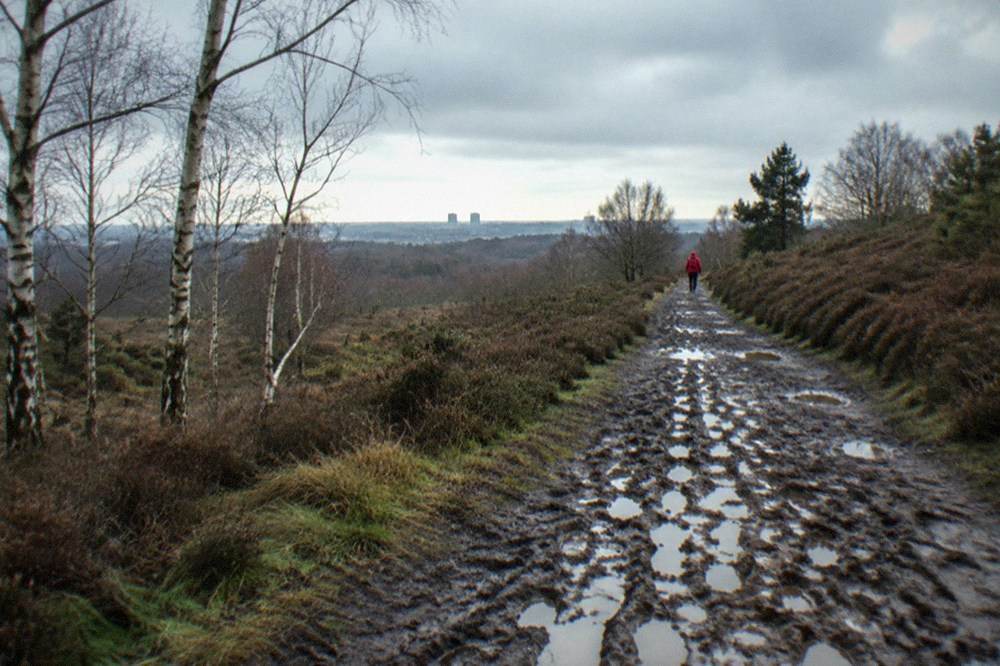
The park is open to walkers year round, which is one of the quiet advantages of a free public space over a ticketed attraction. There is no season, no closing week and no winter shutdown of the kind that affects Birmingham's historic houses. Aston Hall and Sarehole Mill both close for winter from roughly early November to mid-February, with reopening around 13 February 2027 in the current cycle; Lickey Hills has no such calendar. The hills are there in January mud the same as in July sunshine.
Seasonally, the park changes character rather than availability. Spring brings the woodland into leaf and the heath into flower. Summer is the picnic and viewpoint season, and the main car parks are at their busiest, which is when the parking charge feels most worth planning around. Autumn is arguably the strongest season for the woods. Winter is the emptiest and, on clear cold days, offers the sharpest views across the city.
Time of day matters for the same reason it matters at any viewpoint park. Early morning belongs to dog walkers and runners. Late afternoon into sunset is when the west-facing views do their best work, and a sunset finish is one of the genuinely memorable free experiences available around Birmingham. Weekends are busier than weekdays across the board, and the busiest car parks fill first.
How Do You Get To Lickey Hills Without A Car?
Public transport is the free-at-the-destination route in. Bus services from Birmingham reach the Lickey Hills area, and the park's southwestern position means the approach from the city is straightforward on regular routes. A visitor staying in the city centre can build the trip as a bus ride out, a walk in the hills, and a bus ride back, with the only spend being the fare itself and nothing at all at the park.
Cycling is another option for the confident. The park sits far enough out that the ride is a commitment, but arriving by bike removes the parking question entirely and bikes can be locked at the entrances. On foot from nearby residential areas, the park has multiple access points, not just the main car park entrances, and local walkers use them constantly.
The planning rule that follows from all this: decide the transport before deciding the route. Arriving by bus or bike makes the day free by construction. Arriving by car at a main car park means a parking charge as the day's only cost. Neither is wrong, but knowing which one applies prevents the small surprise that spoils an otherwise free day out.
Can You Combine Lickey Hills With A Free Day In Central Birmingham?
Yes, and the combination is one of the better free itineraries Birmingham offers, because the two halves are so different. A morning or afternoon in the hills pairs naturally with a city-centre block built around the attractions that are genuinely free with no strings: Birmingham Museum & Art Gallery, the Library of Birmingham, the public squares, the canal towpaths and the two cathedrals.
Birmingham Museum & Art Gallery is the anchor of that city half. General admission is free with no booking required, and the open galleries include the Pre-Raphaelites, the Staffordshire Hoard, the Birmingham History Galleries, the Round Room, the Industrial Gallery, the Bridge Gallery and the Wild City family gallery. It opens Tuesday to Sunday, 10am to 5pm, and daily in school holidays and on bank holiday Mondays. One condition travels with the claim: some galleries are closed while the museum works through a phased redevelopment, with full reopening targeted for 2031, so a visitor should expect a great but partial museum rather than the complete building.
The Library of Birmingham is the other reliable free indoor stop. Public access to the building is free, including Wi-Fi, computers, study space and borrowing, with full service Monday to Tuesday 11am to 7pm and Wednesday to Saturday 11am to 5pm, an express service on the lower floors outside those hours, and Sunday closure. Its rooftop Secret Garden on Level 7 is free during library hours and gives one of the better elevated views over the city centre, a deliberate echo of the Lickey Hills panorama seen from the opposite end.
The practical shape of the combined day is a morning in the hills, a bus back into town, and an afternoon indoors among the galleries, finishing on the library rooftop or in the free public squares as the light goes. Every element of that day is free to enter. The only money a visitor needs is the bus fare and, if driving to the hills, the parking charge at the main car park.
What Should You Bring For A Free Day At Lickey Hills?
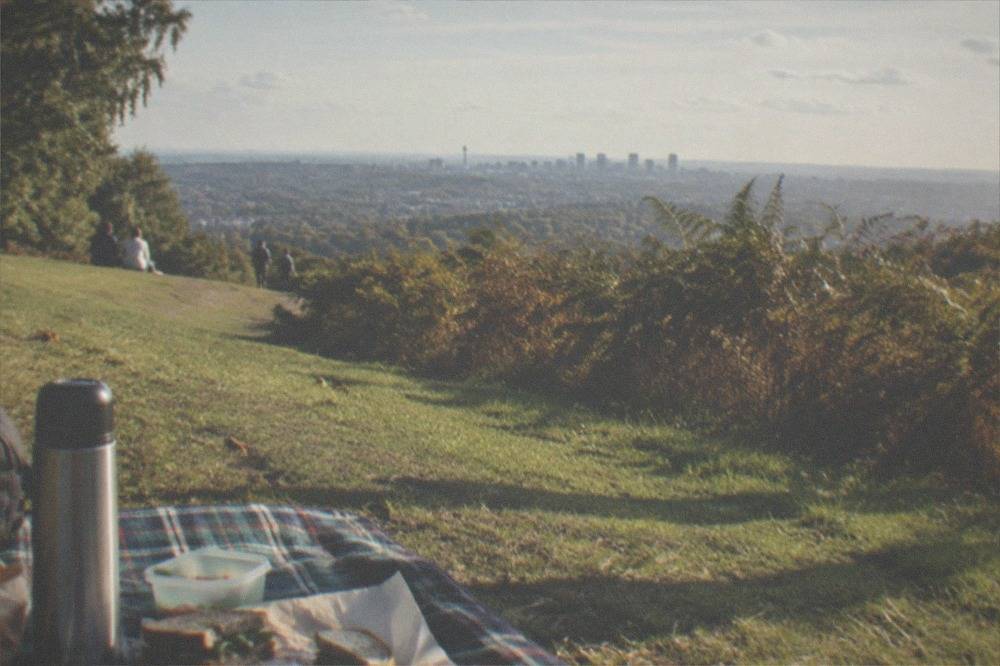
The honest answer is: whatever you would take to any hillside, because the park's commercial offer is thin by design and the free experience is self-catered. There is no entry desk selling a package, and the day succeeds or fails on preparation. Food and drink are the main items. A picnic turns the park's open grass into a free restaurant with the best view in Birmingham, and bringing a flask in winter is the difference between a short visit and a long one.
Footwear is the second. The paths are real country-park paths, and after rain the mud is genuine Midlands mud. Trainers survive a dry summer day; anything from October to April rewards boots. Weather layers matter more here than in the city because the hills catch wind and the heathland has no shelter, and the walk back down from a viewpoint in a squall is a different experience from the walk up in sunshine.
Beyond that, the usual kit list is short: a phone for photographs and route-checking, water, and for families a ball or kite, because the open ground is exactly what those things are for. None of this costs anything at the park. The point of the packing list is that Lickey Hills rewards self-sufficiency, and a visitor who treats it like a city attraction and arrives empty-handed gets a shorter, hungrier day.
Is Lickey Hills Suitable For Children And Dog Walkers?
Both groups are among the park's core users. For families, the combination of free entry, open space and varied terrain makes Lickey Hills one of the highest-value free days out around Birmingham for children. The hills themselves are the attraction: climbing, exploring and den-building in woodland are the activities the landscape invites, and none of them has a ticket. The heath and grassland give room for games that a small city park cannot hold.
Dog walkers are a visible constituency at every entrance. The mix of woodland trails and open heath suits dogs well, and the park's size means a route can be as long or short as the dog needs. The standard country-park etiquette applies: keep dogs under control near livestock if present, around ground-nesting birds on the heath, and near other visitors at busy viewpoints. The free-entry rule extends to dogs in the normal way at a public park, with no per-dog charge of the kind some private estates levy.
For both groups the paid-parking point is the same as for everyone else: the main car parks charge, so families arriving by car should budget for that, while those arriving by bus or on foot pay nothing at all. A family of four arriving by bus has a completely free hillside day, which is a rare sentence to be able to write about a day out with children.
Where Does Lickey Hills Fit Among Free Things To Do In Birmingham?
It fills the slot almost nothing else in the city can: the free wild day out. Birmingham's free offer is strong indoors and thin on wilderness. The museums, galleries, library, cathedrals, squares and canal towpaths cover culture, architecture and civic history at zero cost, and the city centre can absorb two or three full free days on its own. What the centre cannot supply is 500 acres of hill, heath and horizon. That is Lickey Hills' job.
The park also anchors the southwestern cluster of free green space. Kings Heath Park to the northeast is a free neighbourhood park, and Moseley Bog and Joy's Wood, the nature reserve that famously fed the young J.R.R. Tolkien's imagination, is free public access nearby. A visitor with a full free weekend could walk the hills on Saturday and the bog on Sunday, using the same bus-based approach to both.
The one thing Lickey Hills is not is a city-centre stop. It is a half-day or full-day destination that rewards travelling to, and the visitor who tries to squeeze it between two indoor attractions will shortchange both. Give it a morning or an afternoon of its own, arrive by bus if the parking charge matters, and let it be the wild half of a Birmingham trip that the galleries and squares cannot provide.
Common Questions
Is Lickey Hills Country Park Free to Enter?
Yes. Birmingham City Council runs Lickey Hills as a free public country park, with no admission charge, no gate fee and no per-person cost at any access point. The only standard charge is car parking at the main car parks.
Do You Have to Pay for Parking at Lickey Hills?
Yes, at the main car parks, which are paid under the council's standard country-park arrangement. Visitors arriving by bus, bike or on foot pay nothing to enter the park, and parking outside the paid car parks then walking in is an approach some drivers take.
Can You Walk Around Lickey Hills for Free?
Yes, all the park's woodland, heathland and hillside paths are free to walk, along with the viewpoints over Birmingham. There is no charge for any route, trail or viewpoint in the park.
Is Lickey Hills Open All Year?
Yes, the park's public access is not tied to an opening season, unlike Birmingham's historic houses such as Aston Hall and Sarehole Mill, which close for winter from roughly early November to mid-February. Lickey Hills can be walked in any month.
Is Lickey Hills Good for a Free Family Day Out?
Yes, free entry, open hillside and woodland make it one of the best zero-cost family days around Birmingham, with the only likely spend being the car park charge for drivers. Picnics, kite-flying and exploring cost nothing.
Before the hills, St Philip's Cathedral Birmingham offers free general entry with donations welcome during normal cathedral opening hours, and Kings Heath Park and Perry Park round out the city's free green-space roster with free public park entry.