Hidden Gems In Birmingham You Can See For Free
A researched guide to Birmingham's genuinely free hidden gems, from the Library rooftop garden to Moseley Bog, with the honest conditions attached to each one.
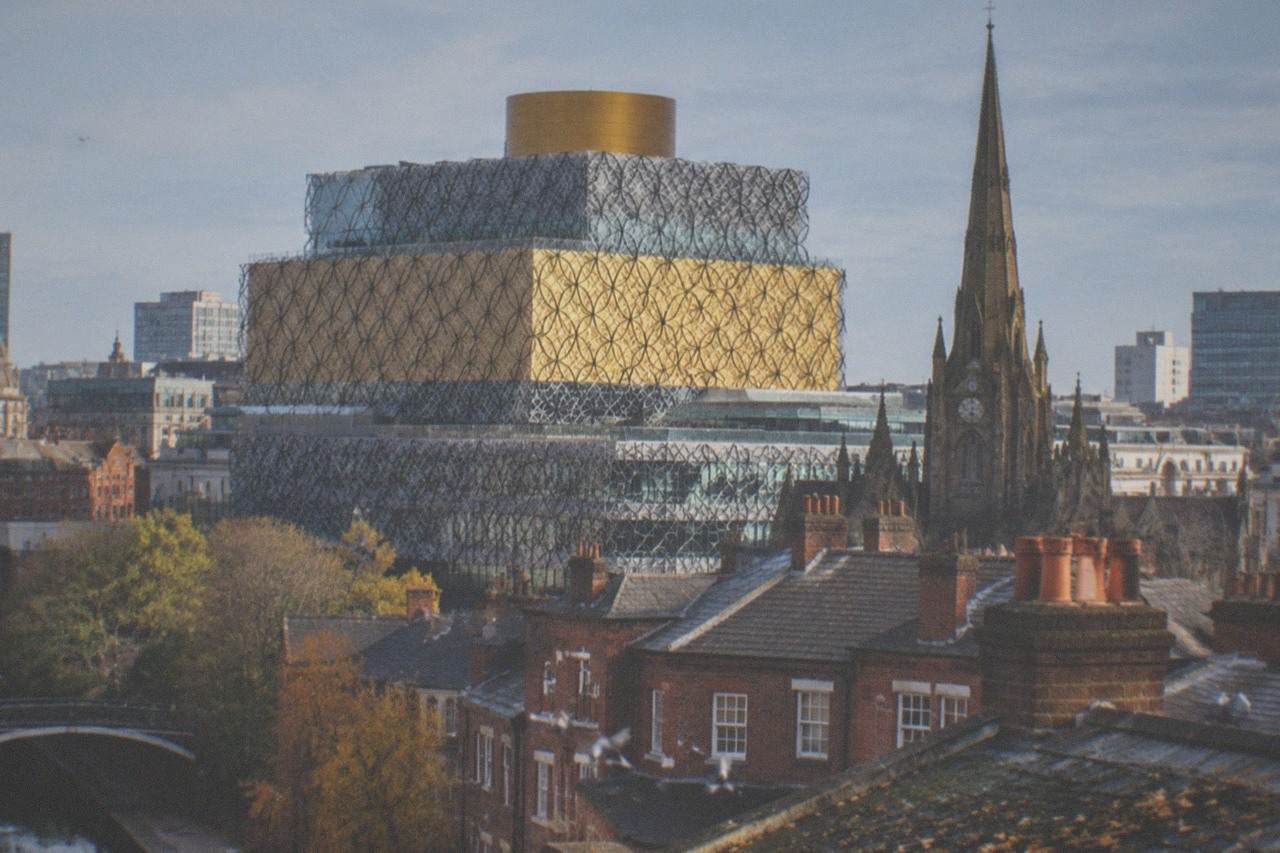
The best hidden gems in Birmingham that cost nothing are the Library of Birmingham's rooftop Secret Garden, the street art and courtyards of the Custard Factory in Digbeth, Moseley Bog and Joy's Wood, the Edgbaston Reservoir walking path, the free grounds of Aston Hall, and the open galleries of Birmingham Museum & Art Gallery. Each has a condition or a catch worth knowing before setting out, and this guide sets them all out honestly.
Most visitors to Birmingham see the Bullring, the bull statue and maybe Victoria Square, then leave. That is a shame, because the city hides some of its most interesting sights a short walk or bus ride from the obvious ones. A rooftop garden seven storeys above Chamberlain Square. A nature reserve with a millpond and a link to J.R.R. Tolkien. A canal basin where the paint on the narrowboats is older than most buildings in the city centre. All of it free.
The word "hidden" needs a caveat. None of these places are secret. Locals know them well, and a good free walking tour will point several of them out. What they share is that the average visitor never makes it to them, because they sit outside the standard tourist trail or behind a door most people assume is closed. This guide covers what is genuinely free, what is free only under a condition, and what is often wrongly described as free when it is not.
| Hidden gem | Area | What it is | Free status |
|---|---|---|---|
| Library of Birmingham Secret Garden | City centre | Level 7 rooftop garden and terrace | Free during library opening hours |
| Custard Factory and Digbeth street art | Digbeth | Independent quarter with murals and courtyards | Free to walk around |
| Moseley Bog and Joy's Wood | Moseley | Nature reserve with a Tolkien connection | Free public access |
| Edgbaston Reservoir | Edgbaston | Walking path around an open-water reservoir | Free public path |
| Gas Street Basin | City centre | Historic canal basin and towpaths | Free at all times |
| Birmingham Museum & Art Gallery | City centre | Pre-Raphaelites, Staffordshire Hoard and more | Free entry, some galleries closed |
| Aston Hall grounds | Aston | 17th-century mansion parkland | Grounds free, house paid |
A guided walk is one of the most efficient ways to find the free corners of the city centre, because a local guide knows which alleys and squares are worth the detour. The Free Birmingham Walking Tour - Stories, Landmarks & Local Insights, run by an independent guide called Philip on the GuruWalk platform, is free on a pay-what-you-want basis and rated 4.78 out of 5 across 59 GuruWalk reviews. It runs about two hours in English and covers the central landmarks and the stories behind them.
Where Is The Library Of Birmingham's Secret Garden?
The Secret Garden is the rooftop terrace on Level 7 of the Library of Birmingham, and it is one of the most under-used free viewpoints in the city. The library building itself is free to enter, with public Wi-Fi, computers and study space, and the Level 7 rooftop garden plus a Level 3 terrace are free to access during library opening hours with no ticket and no booking. On a clear day the terrace gives a view across the city centre rooftops, with the gilt dome of the Council House and the spires of the city laid out below.
The catch is the opening hours. The library runs a reduced schedule, typically Monday and Tuesday from 11am to 7pm and Wednesday to Saturday from 11am to 5pm, closed on Sundays, with an express service on the lower floors outside those hours. Anyone turning up on a Sunday expecting a rooftop view will be standing outside a locked building. Check the hours before planning a visit around it.
A second catch concerns the Shakespeare Memorial Room, which sits at the top of the library and is often written up as a free highlight. The room is reachable as part of the building, but it is primarily used for events and venue hire, with archive items viewed by appointment, and general viewing is only possible during library hours when it is not booked for an event. Treat the Secret Garden as the reliable free rooftop and the Shakespeare Memorial Room as a bonus if the timing happens to work.
What Makes The Custard Factory In Digbeth Worth Visiting?
The Custard Factory is the cluster of converted buildings in Digbeth that once produced custard powder for the Bird's brand, now filled with independent shops, studios and cafes, surrounded by some of the densest street art in the country. The whole Digbeth public realm, murals included, is free to walk around, and the area rewards slow wandering: painted shutters, alleyway pieces that only reveal themselves on foot, and a pace of change that means a wall photographed one month may be repainted the next.
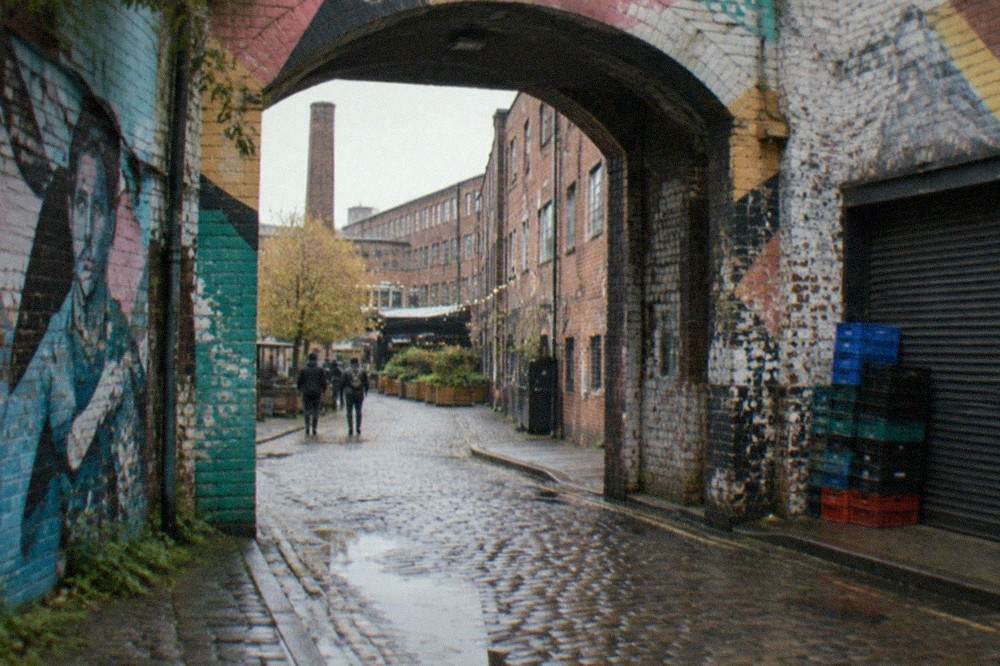
Digbeth sits about ten to fifteen minutes' walk east of the Bullring, and the walk itself passes through some of the city's least pretentious and most interesting streets. The Custard Factory courtyards host small events and markets at times, some of which are free to enter and some ticketed, so it is worth checking what is on before making a special trip. The street art, though, needs no schedule. It is there every day, in daylight at least, and it costs nothing.
The honest caveat is that Digbeth is quieter in the early morning and late evening, and some of the best pieces sit in lanes that feel empty midweek. It is an area best visited in daylight hours, and the free wandering is entirely self-guided unless a walking route happens to pass through.
Why Does Moseley Bog Matter To Tolkien Fans?
Moseley Bog and Joy's Wood is a free public nature reserve in Moseley, a couple of miles south of the city centre, and it is the piece of Birmingham that most Tolkien enthusiasts make a pilgrimage to. The young J.R.R. Tolkien lived nearby and played in the bog as a child, and the mixture of woodland, boggy ground and an old millpool is widely credited as an early influence on the landscapes of Middle-earth. The site is cared for by the Birmingham and Black Country Wildlife Trust.
The reserve is free to access at all times as public open space, with woodland paths, boardwalk sections and the remains of a millpond at the southern end. It is small, walkable in under an hour, and quiet in a way the city centre never is. Sarehole Mill, the Tolkien-adjacent museum a short distance away, is often mentioned in the same breath, but its status is different: the grounds are free, while the mill interior is paid, and the site closes for winter, roughly early November to mid February. Anyone planning a Tolkien-themed free day out should keep that split in mind.
Getting to Moseley Bog from the centre means a bus or a bike ride, and the reserve has no visitor facilities to speak of. It is a walk in the literal sense, weather and footwear permitting, and it is one of the few genuinely hidden gems on this list that most visitors to Birmingham never reach at all.
Is Gas Street Basin Really Free To Wander?
Gas Street Basin is the historic canal basin where the Worcester and Birmingham Canal meets the main line, sitting a few minutes' walk behind Broad Street, and it is completely free public realm at all times. The towpaths, the basin edges and the surrounding canal-side spaces need no admission and never close. Narrowboats moor along the water, the old canal-side buildings have been converted to bars and cafes, and the whole area has the feel of a working piece of industrial history rather than a museum piece.
The basin is the anchor of Birmingham's canal network, which is one of the more surprising facts about the city: Birmingham has more miles of canal than Venice, a comparison locals are fond of making. The towpaths spread out from Gas Street in several directions, and walking them costs nothing. The contrast with Venice is doing some rhetorical work, but the underlying point stands. The canals were built for freight, and the freight economy left, leaving behind a free network of waterside paths through the middle of England's second city.
The only cost at Gas Street Basin is optional. The bars and boat trips charge money, and a narrowboat cafe will sell coffee at normal prices. The walking, the looking and the photography are free, and the basin is close enough to the Library of Birmingham that the two pair naturally into a single free afternoon.
What Free Art Can You Actually See At Birmingham Museum & Art Gallery?
Birmingham Museum & Art Gallery, in Chamberlain Square, is free to enter with no booking, and it holds one of the world's best collections of Pre-Raphaelite painting along with the Staffordshire Hoard of Anglo-Saxon treasure. The open galleries include the Pre-Raphaelite rooms, the Staffordshire Hoard display, the Birmingham History galleries, the Round Room, the Industrial Gallery, the Bridge Gallery and Wild City. For a free afternoon indoors, it is the strongest single option in the city centre.
The condition is significant and often glossed over. The museum is partway through a phased redevelopment, and some galleries are closed until the full reopening, which Birmingham Museums Trust targets for 2031. Anyone arriving expecting the entire building will find a reduced but still substantial offer. Opening hours are Tuesday to Sunday, 10am to 5pm, with daily opening during school holidays and bank holidays. Closed Mondays outside holiday periods.
The Pre-Raphaelite collection alone justifies the visit. Works by Burne-Jones, a Birmingham-born artist, sit alongside the major names of the movement, and the gallery's industrial heritage displays explain how a manufacturing city produced both the wealth and the taste that built the collection. It is free, it is central, and the partial closure is a reason to check what is open, not a reason to skip it.
Can You Walk Around Aston Hall Without Paying?
Aston Hall is a 17th-century Jacobean mansion in Aston, north of the city centre, and the answer is yes with a clear split. The grounds and parkland are free to walk around, while the house interior is paid, with adult entry in the region of ten to eleven pounds. The house is open Friday to Sunday, 11am to 4pm with last entry at 3pm, and only until roughly early November, after which it closes for winter and reopens around mid February. Bank holidays and some Aston Villa match days also bring closures.
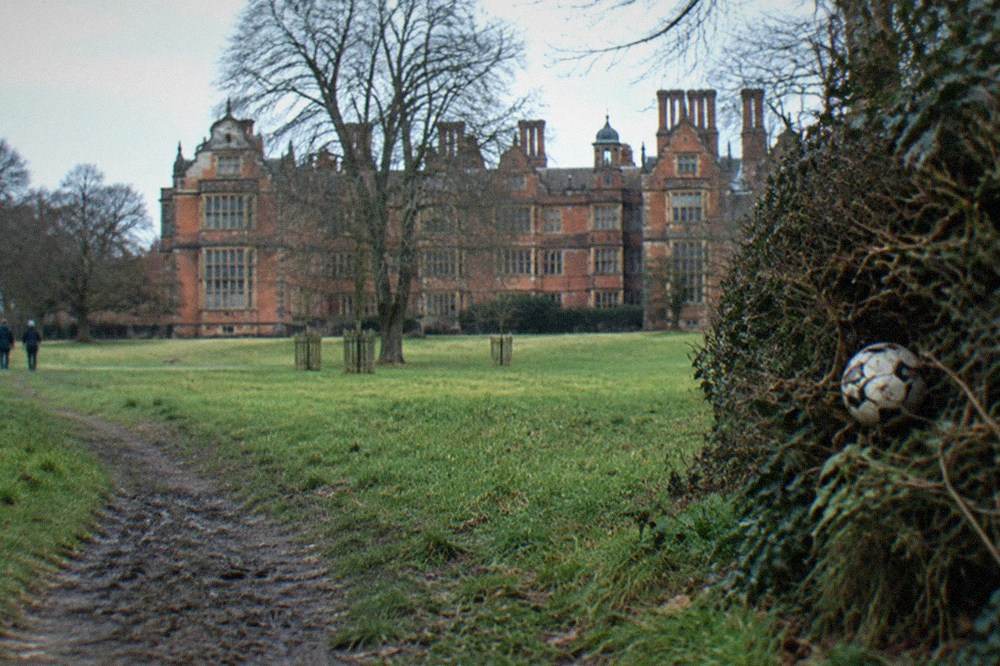
The free part is genuinely worth having. The hall's exterior is one of the most dramatic pieces of architecture in the city, with the long frontage and formal grounds giving a clear sense of what a Birmingham grand house looked like before the industrial city grew up around it. The parkland around it is public green space, pleasant for a walk, and the whole visit can be done without spending anything by staying outside.
The trap is the word "free" applied without the condition. Several roundups describe Aston Hall as a free attraction, which is only true of the grounds. The same pattern applies to Blakesley Hall and Sarehole Mill, the other two Birmingham Museums Trust historic houses: free grounds, paid interior, winter closure for Aston Hall and Sarehole Mill. Anyone planning a free day around all three should plan for exteriors and parkland, not interiors.
What Is The Catch With Birmingham's Other "Free" Museums?
A recurring theme in Birmingham's free-attraction landscape is that several headline names are conditionally free or not free at all, and honest planning depends on knowing which is which. The Barber Institute of Fine Arts is free when open, but it has been closed for a major refurbishment since January 2025, with reopening expected in 2026. Soho House in Handsworth has its visitor centre, Vanley Burke exhibition and gardens free when accessible, but the house itself is currently closed to the public for maintenance. Millennium Point's atrium is free to walk through, but the Thinktank science museum inside is a separate paid attraction, with one genuine free window: university students can walk up free Tuesday to Friday with valid student ID.
| Attraction | Common claim | The honest status |
|---|---|---|
| Barber Institute of Fine Arts | "Free gallery" | Free when open, but closed for refurbishment since January 2025, reopening expected 2026 |
| Soho House | "Free museum" | Visitor centre, exhibition and gardens free when accessible; house closed for maintenance |
| Millennium Point / Thinktank | "Free science museum" | Atrium free; Thinktank inside is paid, free walk-up for university students Tue to Fri with ID |
| Coffin Works | "Free museum" | Paid entry, but a Wednesday community day is free for Ladywood Ward residents with proof of address |
| Library of Birmingham Shakespeare Memorial Room | "Free highlight" | Primarily paid venue hire; free to view only when not booked for an event |
| Winterbourne House and Garden | "Free garden" | Paid entry, free only for University of Birmingham staff and students with ID |
The Coffin Works deserves a special mention because its free window is unusually specific. The Newman Brothers coffin-fitting factory in the Jewellery Quarter charges for entry, but on Wednesdays it runs a community day that is free for residents of Ladywood Ward with proof of address. That is a genuinely free museum day for a defined local group and a paid attraction for everyone else, and both facts deserve to travel together.
None of this makes Birmingham a poor destination for free sightseeing. It makes Birmingham a destination where the free status of each place has to be checked rather than assumed, and where the genuinely free list, the Library rooftop, the canal towpaths, Digbeth, the museum and gallery, the parks and reserves, is long enough that nobody needs to pay their way through a good day out.
Which Free Green Spaces Are Locals' Best-Kept Secrets?
Beyond Moseley Bog, Birmingham's free green space includes several places that barely register in visitor guides. Edgbaston Reservoir has a free public walking path around open water a short distance from the city centre, popular with rowers and joggers, and it delivers one of the more unexpected views in the city: open water with the tower blocks of the centre behind it. Sutton Park in Sutton Coldfield is a National Nature Reserve with free entry, one of the largest urban parks in Europe, with paid parking at some entrances the only cost. The Lickey Hills Country Park, south of the city, is free with paid parking at the main car parks, and its viewpoint looks back over the whole Birmingham conurbation.
Closer in, Cannon Hill Park is free to enter with gates from roughly 7:30am to dusk, though the mini-golf, boating and fun park inside are separately paid. Kings Heath Park and Perry Park in Perry Barr are straightforward free public parks, and all of them are reachable by bus from the centre for the price of a standard fare. The parks cost nothing once you are in them, and Birmingham's bus network makes the green ring of the city more accessible than its low profile suggests.
The honest framing is that none of these are parks you stumble into. They are parks you decide to visit, and the decision is easier once you know they are free. Sutton Park in particular can absorb an entire day, with heathland, wetland and grazing cattle inside a city boundary, and the only money involved is the car park if you drive.
What Does A Free Day In Birmingham Look Like?
A realistic all-free day in Birmingham starts in the city centre. The three central squares, Chamberlain Square, Centenary Square and Victoria Square, are free public spaces that hold the Council House, the Library of Birmingham, the Symphony Hall frontage and the civic statues including the Chamberlain Memorial and Queen Victoria. The Library's Secret Garden on Level 7 gives the free rooftop view, and Birmingham Museum & Art Gallery next door covers the indoor hours. From there, the walk to Gas Street Basin takes minutes, and the towpaths lead out toward Digbeth or out along the main line depending on energy levels.
The afternoon splits by taste. Street art and independent Birmingham point to Digbeth and the Custard Factory, free to wander and best in daylight. Green space points to Cannon Hill Park or, with more travel time, Moseley Bog or Sutton Park. In the winter season, the Birmingham Christmas Market adds a free-to-enter option in the city centre, where entry costs nothing and only food, drink and stall purchases cost money, though the specific dates for the 2026 market were not officially published at the time of research and should be checked closer to the time rather than assumed.
The single walk band above covers the central portion of this day in about two hours, and everything else on the list is self-guided. The whole day can be done for the cost of bus fares and lunch, and even lunch can be brought. Birmingham's free offer is not a marketing slogan here. It is a checkable set of places with stated conditions, and the conditions are the only part that needs attention.
Common Questions
What Is The Most Hidden Free Thing To Do In Birmingham?
The Library of Birmingham's Secret Garden on Level 7 is probably the most overlooked free sight in the city centre, a rooftop garden and terrace that costs nothing during library opening hours. Further out, Moseley Bog and Joy's Wood is the least-visited free gem on this list, a nature reserve with a Tolkien childhood connection, free public access and almost no visitor profile outside the local area.
Is Digbeth Street Art Free To See?
Yes. The Custard Factory and the surrounding Digbeth public realm are free to walk around, and the street art is on public walls, shutters and lanes with no admission anywhere. Some ticketed events and markets run in the Custard Factory courtyards, but the murals themselves need no ticket and are best seen in daylight.
Are Birmingham's Historic Houses Free?
Only their grounds. Aston Hall, Blakesley Hall and Sarehole Mill all have free parkland with paid interiors, and Aston Hall and Sarehole Mill close for winter, roughly early November to mid February. Soho House goes further: the house itself is currently closed to the public for maintenance, while its visitor centre, exhibition and gardens are free when accessible.
Is The Library Of Birmingham Free To Enter?
Yes, the building is free public access with Wi-Fi, computers and study space, and the Level 7 Secret Garden and Level 3 terrace are free during opening hours. The Shakespeare Memorial Room is the exception to treat carefully: it is primarily used for events and venue hire and can only be viewed free when not booked.
Can You See The Staffordshire Hoard For Free?
Yes. The Staffordshire Hoard display sits inside Birmingham Museum & Art Gallery, which is free to enter with no booking. Some galleries are closed during the museum's phased redevelopment, with full reopening targeted for 2031, so it is worth checking which galleries are open before a visit.
Is There A Free Walking Tour In Birmingham?
Yes, one English-language free walking tour runs in the city: the Free Birmingham Walking Tour - Stories, Landmarks & Local Insights, led by an independent guide named Philip on the GuruWalk platform. It is free on a pay-what-you-want basis, lasts about two hours, and is rated 4.78 out of 5 across 59 GuruWalk reviews.