Jewellery Quarter Birmingham: Free To Walk, Which Museums Charge
The Jewellery Quarter is one of the few parts of Birmingham where the streets themselves are the attraction, and the streets cost nothing.
Short answer
Walking the Jewellery Quarter is completely free, but its three named museums, the Museum of the Jewellery Quarter, the Pen Museum and the Coffin Works, all charge admission.
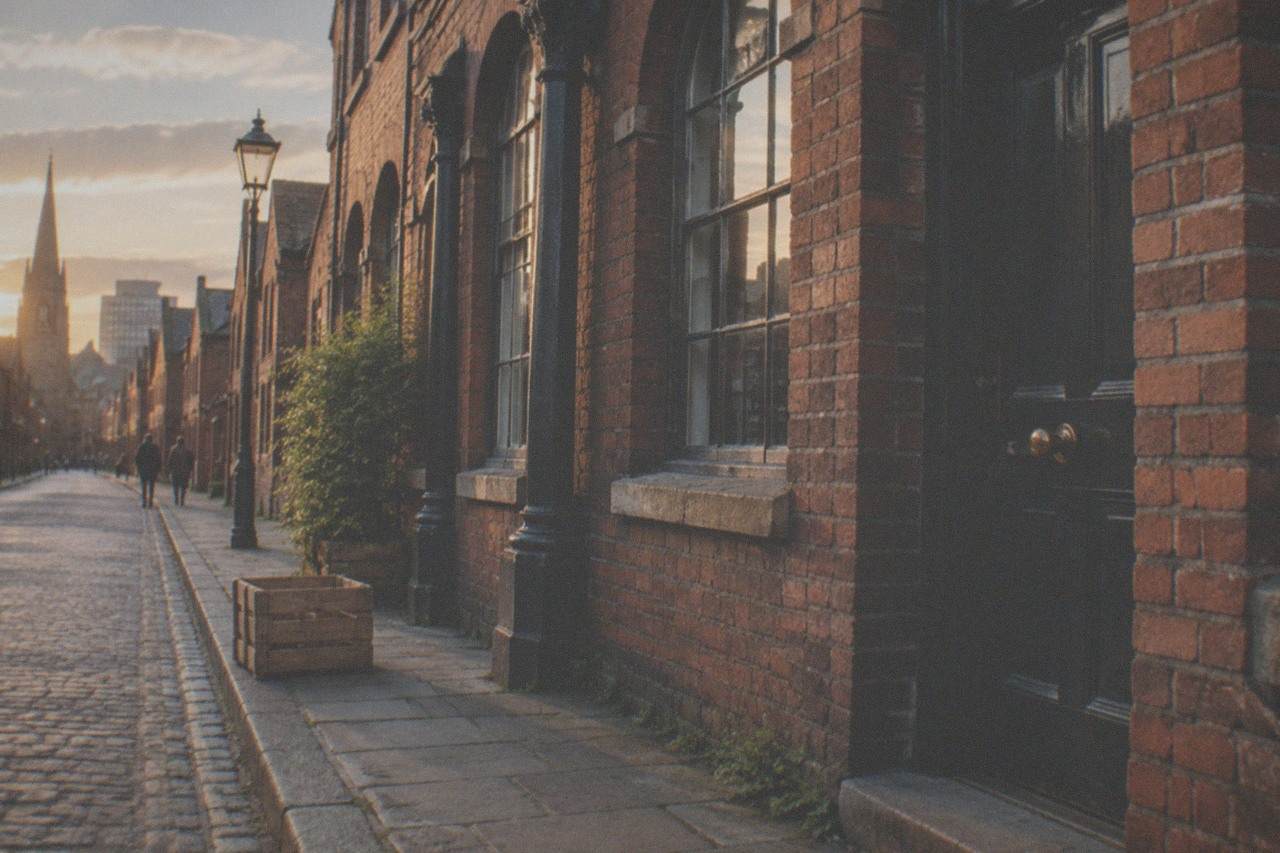
The Jewellery Quarter is one of the few parts of Birmingham where the streets themselves are the attraction, and the streets cost nothing. A dense grid of Victorian workshop frontages, working jewellers' shops and listed buildings sits a fifteen minute walk from the city centre, and every metre of it is public highway. The catch is the museums. The Quarter's three best known indoor attractions all charge, and the pricing is not obvious from the outside, which is why this page separates what is free from what is not, item by item.
Yes, walking around the Jewellery Quarter is completely free, and the streets, squares and shopfronts are the main attraction. However, all three of its named museums charge: the Museum of the Jewellery Quarter, the Pen Museum and the Coffin Works each sell tickets, and none of them offers free general entry.
Here is the honest cost picture at a glance, drawn from each venue's own current published information.
| Attraction | Free or paid | What it costs |
|---|---|---|
| Walking the Jewellery Quarter streets | Free | Nothing, it is public highway and pavement |
| Museum of the Jewellery Quarter | Paid | Roughly 10 to 11 pounds adult, entry by timed guided tour only |
| Pen Museum | Paid | Roughly 8.95 pounds adult self-guided, child tickets lower |
| Coffin Works (Newman Brothers) | Paid | Roughly 6 to 10 pounds adult depending on tour option |
| Birmingham Museum & Art Gallery (city centre) | Free | General admission free, no booking, some galleries closed for redevelopment |
| Ikon Gallery (city centre) | Free | Free entry, donations welcome |
The Quarter rewards walkers more than ticket buyers. Because the free experience here is genuinely the streets, this is also exactly the kind of place where a guided walk earns its keep, and Birmingham has one strong option for that. The Free Birmingham Walking Tour, Stories, Landmarks & Local Insights is run by an independent local guide called Philip on the GuruWalk platform. It is free to join with pay what you want at the end, lasts about two hours, runs in English, and is rated 4.78 out of 5 across 59 GuruWalk reviews. It meets in the city centre, so it works well as the paid-knowledge, zero-obligation half of a day that continues into the Jewellery Quarter on foot.
Is It Free To Walk Around The Jewellery Quarter?
Yes. The Jewellery Quarter's streets, pavements, squares and public frontages are completely free to walk at any time, because they are ordinary public highway in a working manufacturing district rather than a ticketed attraction. Nobody pays to enter the Quarter, there is no boundary gate, and the shopfronts of working jewellers can be browsed exactly as you would browse any high street.
This matters more here than almost anywhere else in Birmingham, because the Quarter is not a museum district with a free street attached. It is the street that is the exhibit. The area holds one of Europe's largest concentrations of small jewellery and metalworking businesses, many operating out of the same Victorian workshop buildings their trade has occupied for well over a century. The architecture of light wells, loading doors and narrow frontages exists because of the trade, and reading it from the pavement costs nothing.
The free experience also includes the district's quieter corners. St Paul's Square, the Georgian churchyard at the heart of the Quarter, is a public space with benches and mature trees, and the surrounding streets slope away in a grid that is genuinely pleasant to get lost in for an hour. Two historic cemeteries, Key Hill and Warstone Lane, sit inside the Quarter's boundaries and are public ground. Visitors who skip every ticketed museum and simply walk the grid, peer into workshop windows and sit in the square will still have seen the thing people travel here to see.
The distinction to hold on to is between the district and the museums. The district is free forever. The museums are businesses and heritage sites with staff, conservation costs and timed tours, and their prices reflect that. Nothing in the Quarter's free outdoor layer obliges you to spend a penny inside.
What Does The Museum Of The Jewellery Quarter Cost?
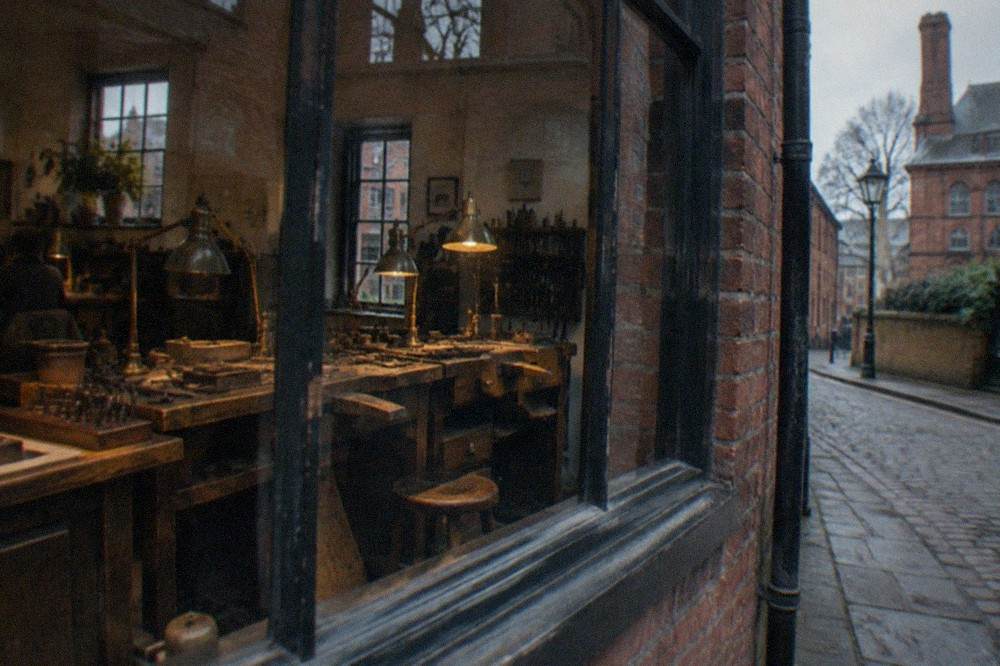
The Museum of the Jewellery Quarter is not free. Adult entry costs roughly 10 to 11 pounds, and admission is by timed guided tour only, running Thursday to Sunday, with tours lasting about 45 minutes. It is run by Birmingham Museums Trust on the site of the former Smith & Pepper jewellery factory, which closed as a working workshop in 1981 and was preserved almost exactly as the workers left it.
The tour format is the reason the price works differently from a normal museum. You cannot simply walk in and browse. Entry is booked onto a guided slot, the standard tours run roughly 10:30am to 4pm Thursday to Sunday, and pre-booking is advised because capacity per tour is small. Concession and child tickets cost less than the adult rate, and Birmingham Museums Trust members enter free.
What you get for the money is one of the more unusual preserved interiors in the West Midlands. The Smith & Pepper workshop was left with its tools, benches and even the workers' tea mugs largely in place, and the guided tour walks you through a jeweller's workshop as it looked on its last working day. For visitors with a specific interest in the trade, that specificity is worth the ticket. For visitors who mainly want the atmosphere of the Quarter, the free streets outside deliver most of it.
Is The Pen Museum Free?
No, the Pen Museum charges admission. A self-guided adult visit costs roughly 8.95 pounds, with child tickets for ages 5 to 15 at roughly 4.70 pounds, under 5s free, and family tickets available. It is open Thursday to Saturday 11am to 4pm with last entry at 3pm, and Sunday from 12pm to 4pm. Guided tours cost extra on top of the standard entry price.
The Pen Museum occupies part of the Jewellery Quarter's pen trade heritage. Before Birmingham became famous for jewellery, a large stretch of the world's steel pen nibs were made in exactly this district, and the museum collects the machinery, nibs and social history of that trade. It is a small, volunteer-run operation, which is why the pricing sits slightly apart from the big Trust-run sites.
The honest framing for a free-things visitor is this: the Pen Museum is a worthwhile paid stop for anyone curious about industrial history, but it is not a free activity and should not be planned as one. If the budget for the day is zero, the museum's contribution to the Quarter's story can be absorbed from the street, where the scale of the pen and jewellery trades is still legible in the surviving workshop buildings.
Is The Coffin Works Free To Visit?
The Coffin Works, the Newman Brothers factory museum, is a paid attraction, with adult tickets roughly 6 to 10 pounds depending on the tour option, and concessions available. It opens Thursday to Sunday from roughly 10:45am. Standard National Trust-style pricing does not apply here, as it is an independent trust, but there is no free general entry.
There is one genuine free route in, and it is narrow. On Wednesdays the museum runs a community day that is free for residents of Ladywood Ward, the council ward that contains the Jewellery Quarter, with proof of address required. For everyone else, including visitors from outside Birmingham, the standard paid tours apply.
The Coffin Works tells a different industrial story from its neighbours. Newman Brothers made coffin fittings, shrouds and lids in this factory from the 1890s until 1998, and the site is preserved as a time capsule of that trade, complete with the original stock. Like the Museum of the Jewellery Quarter, its appeal is the preserved interior, which is precisely the part that cannot be seen for free from the street.
For a free-first itinerary, treat the Coffin Works the same way as the other two museums: a known quantity with a known price, worth it if the interior interests you, skippable without loss if the budget is zero. The building's exterior on Fleet Street is part of the free streetscape regardless.
Is Birmingham Museum & Art Gallery Free?
Yes, Birmingham Museum & Art Gallery is free to enter, with no booking required, and its open galleries include the Pre-Raphaelites, the Staffordshire Hoard, the Birmingham History Galleries, the Round Room, the Industrial Gallery, the Bridge Gallery and the Wild City family gallery. It is open Tuesday to Sunday, 10am to 5pm, and daily during school holidays and on bank holiday Mondays.
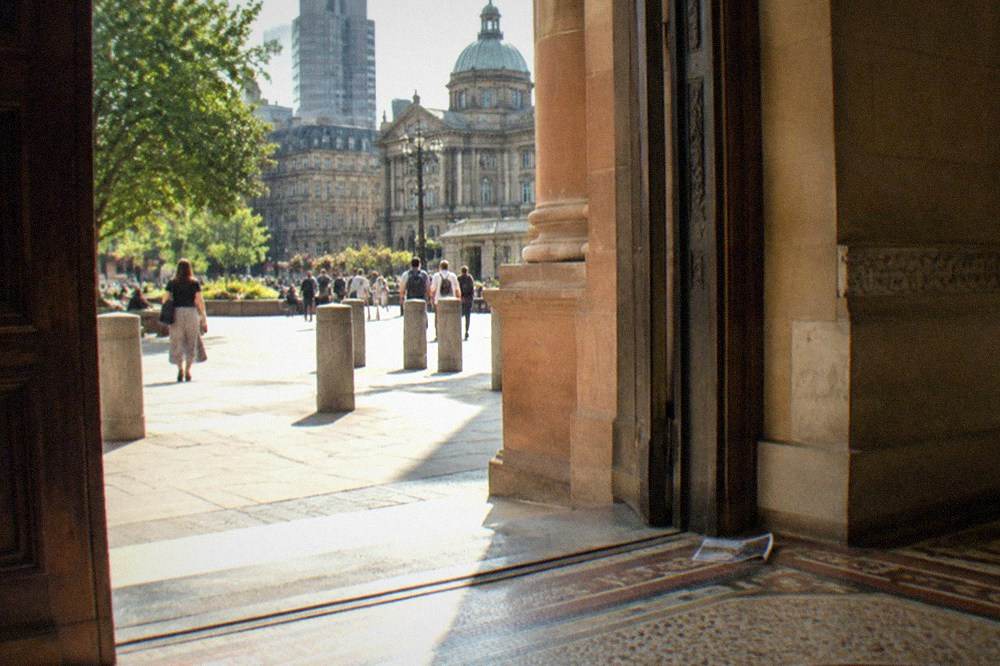
One condition travels with that free claim. The museum is partway through a phased redevelopment, and some galleries are closed while that work continues, with a targeted full reopening in 2031. The open galleries are substantial, and the free entry is genuinely free, but the building is not yet at full size, and a visitor arriving for one specific closed gallery should check the current gallery list before travelling.
For a Jewellery Quarter day, the museum's role is the free anchor at the other end of the walk. It sits in the city centre, close to the route most visitors take between the Quarter and the main shopping streets, and the Birmingham History Galleries there pick up the industrial story that the Quarter's paid museums tell indoors. The Staffordshire Hoard, a large Anglo-Saxon treasure find, is the museum's headline object and costs nothing to see.
Is The Ikon Gallery Free?
Yes, the Ikon Gallery is free to enter, with donations welcome. It is open Tuesday to Sunday and on bank holiday Mondays, 11am to 5pm, and closed on 25 and 26 December. No booking is needed for general entry.
The Ikon is Birmingham's flagship contemporary art gallery, housed in a converted neo-gothic school building on Brindleyplace, a canalside quarter a short walk from the Jewellery Quarter's southern edge. Its programme is rotating exhibitions of contemporary art rather than a permanent collection, so what is on the walls changes through the year, but the entry price never changes from free.
For a zero-spend day, the Ikon pairs naturally with the Quarter. Walk the Jewellery Quarter grid first, drop downhill towards the canals, and finish in a gallery that charges nothing. The Brindleyplace canalside around it is also free public realm, with towpaths that connect onward towards Gas Street Basin, which is free to walk at all times.
What Can You See In The Jewellery Quarter Without Spending Anything?
The free layer of the Jewellery Quarter includes its whole street grid, St Paul's Square, the public ground of the Key Hill and Warstone Lane cemeteries, the working shopfronts of trade jewellers, and the district's architecture of Victorian light wells and workshop frontages, all at no cost. None of it requires a ticket, a booking or even opening hours.
A practical free route looks like this. Start at the edge of the district where it meets the city centre and walk in along the main spines, letting the shopfronts do the work. Working jewellers still trade from many of these frontages, and window browsing here is not a compromise version of the attraction, it is the attraction. Continue to St Paul's Square, the oldest surviving Georgian square in central Birmingham, where the churchyard is public open space and the benches face the square's surviving eighteenth century houses.
From the square, the two historic cemeteries are close by. Key Hill and Warstone Lane are nonconformist and Anglican burial grounds respectively, both now public green space within the Quarter, containing the graves of many of the manufacturers whose trade built the district. They are free to enter during daylight hours and are among the most quietly atmospheric corners of central Birmingham.
The rest of the free experience is simply attention. The Quarter's buildings were designed around the trade: top-lit workshops, secure delivery doors, narrow plots. Reading the district from the pavement is a two hour activity that costs nothing, and it is the reason the streets, not the museums, draw most of the footfall.
| Free thing in or near the Quarter | Type | Any catch? |
|---|---|---|
| The street grid and workshop frontages | Public highway | None, open at all times |
| St Paul's Square and churchyard | Public square | None |
| Key Hill and Warstone Lane cemeteries | Public green space | Daylight hours only |
| Birmingham Museum & Art Gallery | Free museum | Some galleries closed for redevelopment, full reopening targeted 2031 |
| Ikon Gallery | Free gallery | Closed Mondays, rotating exhibitions |
How Do You Get To The Jewellery Quarter?
The Jewellery Quarter sits immediately north west of Birmingham city centre and is reached on foot in roughly fifteen minutes from the core shopping area, with the Jewellery Quarter railway station and several bus routes also serving the district. No part of the journey requires a ticket into the area itself.
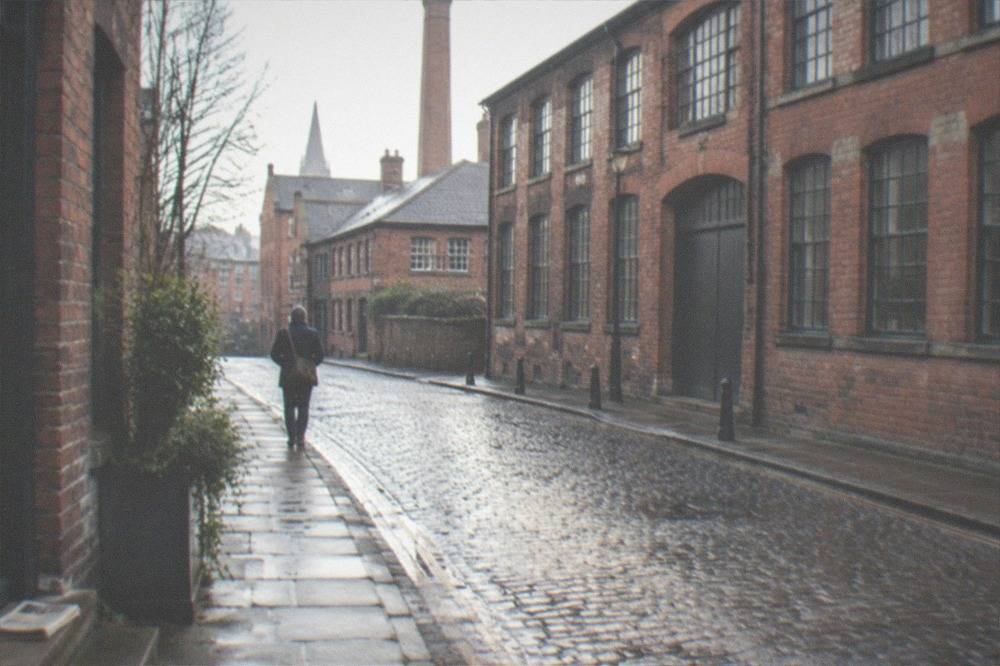
Walking is the sensible default. The Quarter begins almost where the city centre's civic squares end, and the walk between them passes through the edge of the Paradise development area, so the transition is continuous pavement rather than a separate trip. Most visitors arriving at New Street or Snow Hill stations can be inside the Quarter within twenty minutes of stepping off a train without any onward fare beyond their existing travel.
The district's own station, Jewellery Quarter, sits on the city's inner suburban line and connects towards the city's main stations, and buses run along the Quarter's boundary roads. The grid inside is compact enough that once you are in it, everything worth seeing is within a ten minute walk of everything else, and the free attractions listed above cluster within that walkable core.
For orientation, keep the church spire of St Paul's as the anchor. The square is the centre of gravity of the district, the cemeteries lie to the north and west of it, and the main spine streets run downhill from there towards the city centre. Getting lost here is difficult and, on a free itinerary, entirely without cost.
How Does A Free Pay-What-You-Want Walk Fit A Jewellery Quarter Day?
The one free, pay-what-you-want walking tour available in English in Birmingham, the Free Birmingham Walking Tour on GuruWalk, meets in the city centre and lasts about two hours, so it slots in naturally before a self-guided wander through the Jewellery Quarter rather than replacing one. It is guided by Philip, an independent local guide, and is rated 4.78 out of 5 across 59 GuruWalk reviews.
The useful sequencing is city centre first, Quarter second. The walk covers central Birmingham's stories and landmarks, which gives you the industrial and civic context that makes the Jewellery Quarter's streets more legible when you walk them yourself afterwards. Because the tour operates on a pay-what-you-want basis, the cost is whatever you decide at the end, including nothing, and the meeting point in the city centre sits within easy walking distance of the Quarter's southern edge.
This is the honest shape of a free day here. The streets of the Quarter are free but silent, in the sense that nothing explains them as you walk. A guided morning fixes that, and the afternoon is then yours, unguided and uncharged, in the district itself. Anyone who wants the Quarter's interiors pays for the museums; anyone who wants its outdoor story pays only what they choose to.
What Does A Zero-Spend Day Around The Quarter Look Like?
A realistic zero-spend day pairs a morning free walking tour in the city centre with an afternoon walking the Jewellery Quarter's grid, St Paul's Square and the two historic cemeteries, finishing at a free gallery such as the Ikon or Birmingham Museum & Art Gallery. Every element of that day is free, and the only money that changes hands is the optional tip at the end of the walk.
The shape of it is simple. Spend the morning with the city's stories, since context is the thing the free streets cannot supply themselves. Walk north west into the Quarter around midday and let the grid take over: the workshop frontages, the trade shopfronts, the square. Break for whatever you have brought with you, since food is the one line item no itinerary can zero out.
In the afternoon, the choice is between staying in the Quarter for the cemeteries and quieter streets, or dropping south towards Brindleyplace for the Ikon and the canalside. Both are free, and both reward the unhurried pace that a no-ticket day allows, since there is nothing to get value from by rushing.
The one thing not to do is arrive expecting the museums to be free. The Museum of the Jewellery Quarter, the Pen Museum and the Coffin Works are all paid, all three are worth their tickets to the right visitor, and none of them should surprise anyone who has read this far.
Which Other Birmingham Attractions Are Free And Which Are Not?
Beyond the Quarter, Birmingham's headline attractions split sharply: Birmingham Museum & Art Gallery, the Ikon Gallery, the Library of Birmingham, both cathedrals and the major parks are free, while Cadbury World, Thinktank, the Botanical Gardens and the National Trust Back to Backs all charge. The free list is long enough that a visitor never needs to pay for a full day out.
The conditionally free ones deserve particular care, because Birmingham's most famous heritage sites are frequently described as free when only part of them is. Aston Hall, Blakesley Hall and Sarehole Mill all have free grounds but paid house interiors, and Aston Hall and Sarehole Mill additionally close for winter, roughly early November to mid February. Soho House's visitor centre and gardens are free when accessible, but the house itself is currently closed for maintenance. The Barber Institute of Fine Arts is free when open but is closed for refurbishment, with reopening expected in 2026.
| Attraction | Status | The condition, in full |
|---|---|---|
| Birmingham Museum & Art Gallery | Free | General admission free, no booking; some galleries closed for phased redevelopment, full reopening targeted 2031 |
| Ikon Gallery | Free | Free entry, donations welcome; Tuesday to Sunday and bank holiday Mondays, 11am to 5pm |
| Aston Hall | Partly free | Grounds free; house interior paid, roughly 10 to 11 pounds adult; closed for winter roughly early November to mid February |
| Soho House | Partly free | Visitor centre, exhibition and gardens free when accessible; house closed for maintenance |
| Barber Institute of Fine Arts | Closed | Free when open, but closed for refurbishment since January 2025, reopening expected 2026 |
| Cadbury World | Paid | Timed entry, online from roughly 18 pounds adult, pre-booking essential |
| Birmingham Back to Backs | Paid | National Trust property, pre-booked guided tour only, standard National Trust pricing applies |
The pattern for a free-first visitor is consistent across the city: Birmingham's outdoor and civic layer is overwhelmingly free, its indoor heritage layer is mostly paid, and the honest exceptions are the ones listed above. The Jewellery Quarter is simply the clearest example of that pattern, because its free layer is the reason people come and its paid layer is entirely optional.
Common Questions
Is the Jewellery Quarter Birmingham Free To Visit?
Yes, in the sense that matters most: the streets, squares, cemeteries and shopfronts of the Jewellery Quarter are free public space with no gate, ticket or opening hours. The district's three museums, the Museum of the Jewellery Quarter, the Pen Museum and the Coffin Works, all charge admission, so a visit that stays outdoors costs nothing while a visit indoors does not.
How Much Is the Museum of the Jewellery Quarter?
Adult entry is roughly 10 to 11 pounds, with concessions and child tickets lower and Birmingham Museums Trust members free. Admission is by timed guided tour only, running Thursday to Sunday, with each tour lasting about 45 minutes, and pre-booking is advised.
Can You See Jewellers Working in the Quarter for Free?
The Quarter remains a working manufacturing district with many trade jewellers operating from street-level frontages, so browsing the shopfronts and the streetscape costs nothing. Seeing inside a working workshop generally means either a paid museum tour, such as the Museum of the Jewellery Quarter, or an appointment with a trading business.
Is the Pen Museum Worth the Ticket?
For visitors with a real interest in industrial history, yes: it is the only museum dedicated to Birmingham's steel pen trade and is volunteer run, which is why it charges roughly 8.95 pounds for adults. For visitors mainly seeking the Quarter's atmosphere, the free streets deliver most of the experience and the museum is a reasonable skip.
Are There Free Museums Near the Jewellery Quarter?
Yes. Birmingham Museum & Art Gallery, free with no booking, and the Ikon Gallery, free with donations welcome, both sit within walking distance of the Quarter's southern edge. The Library of Birmingham, also free to enter including its Level 7 rooftop Secret Garden during opening hours, is on the same walking route back towards the city centre.
Is There a Free Walking Tour That Covers Birmingham?
There is one free, pay-what-you-want walking tour in English in Birmingham, the Free Birmingham Walking Tour, Stories, Landmarks & Local Insights, run by the independent guide Philip on the GuruWalk platform. It meets in the city centre, lasts about two hours, and is rated 4.78 out of 5 across 59 GuruWalk reviews. It covers central Birmingham rather than the Jewellery Quarter itself, so it works best before a self-guided walk through the Quarter.