Are Aston Hall, Blakesley Hall And Sarehole Mill Free? Grounds Vs House
Three of Birmingham's oldest buildings are run by the same trust and share one admission rule that catches out a lot of visitors.
Short answer
The grounds and gardens of Aston Hall, Blakesley Hall and Sarehole Mill are free whenever the site itself is open, but going inside each house or the mill costs a ticket, and all three properties, grounds included, close for winter from roughly early November to mid February.
The honest answer is split. The grounds and gardens of Aston Hall, Blakesley Hall and Sarehole Mill are free to walk around, no ticket and no booking, whenever the site itself is open. Going inside is different: each house or mill interior carries a paid admission ticket, and all three properties, grounds and interiors alike, close for winter, roughly from early November to mid February. Anyone calling these three simply "free" is only telling you half the story.
All three buildings are run by Birmingham Museums Trust, and the Trust does not apply one admission rule across its properties. Aston Hall, Blakesley Hall and Sarehole Mill share a pattern: parkland and gardens open to everyone, a historic interior behind a ticket desk, and a winter closure that removes even the paid option for a few months. That pattern is the reason this page treats the three houses together rather than separately, because the practical question a visitor asks is the same at all three: can I see this for free, and what exactly am I missing if I do not pay?
Here is the pattern at a glance.
| Property | Grounds And Gardens | House Or Mill Interior | Winter Closure | Run By |
|---|---|---|---|---|
| Aston Hall | Free, no ticket | Paid ticket required | Yes, roughly early November to mid February | Birmingham Museums Trust |
| Blakesley Hall | Free, no ticket | Paid ticket required | Seasonal hours apply, check before visiting | Birmingham Museums Trust |
| Sarehole Mill | Free, no ticket | Paid ticket required | Yes, roughly early November to mid February | Birmingham Museums Trust |
One way to see the city without any of these ticket decisions at all is on foot with a local guide. The Free Birmingham Walking Tour - Stories, Landmarks & Local Insights, run by the independent guide Philip on the GuruWalk platform, covers central Birmingham landmarks and local stories in about two hours, is rated 4.78 out of 5 across 59 GuruWalk reviews, and costs nothing up front: it is free with pay what you want at the end.
Why Do People Think These Three Houses Are Free?
The confusion is understandable and it mostly comes from how the properties present themselves. Birmingham Museums Trust markets its historic houses as public heritage assets sitting in open parkland, and the parkland genuinely is public. Aston Hall sits in Aston Park, Blakesley Hall in its own small garden, and Sarehole Mill beside the River Cole and Moseley Bog. Locals walk dogs there, families picnic there, and nobody pays a penny to do it. Word of that spreads, and "free" is the word that sticks.
The interiors are a different product. The Trust sells admission to the furnished rooms at Aston Hall, the timber-framed interiors at Blakesley Hall, and the working mill machinery at Sarehole Mill, and those tickets fund the conservation of the buildings. So a search for "is Aston Hall free" returns a genuinely mixed picture: some sources describe the park, some describe the house, and only a few spell out that they are two different experiences with two different prices, one of them zero.
There is also a seasonal wrinkle that catches even careful planners. All three properties shut their interiors for winter, roughly from early November to mid February, and during that window the paid option disappears entirely while the grounds stay open. A visitor who arrives in January expecting a paid tour of Aston Hall finds a locked door and an open park. That is not a rip-off and not a failure, it is a deliberate maintenance season, but it changes what the day looks like.
What Can You See At Aston Hall Without Paying?
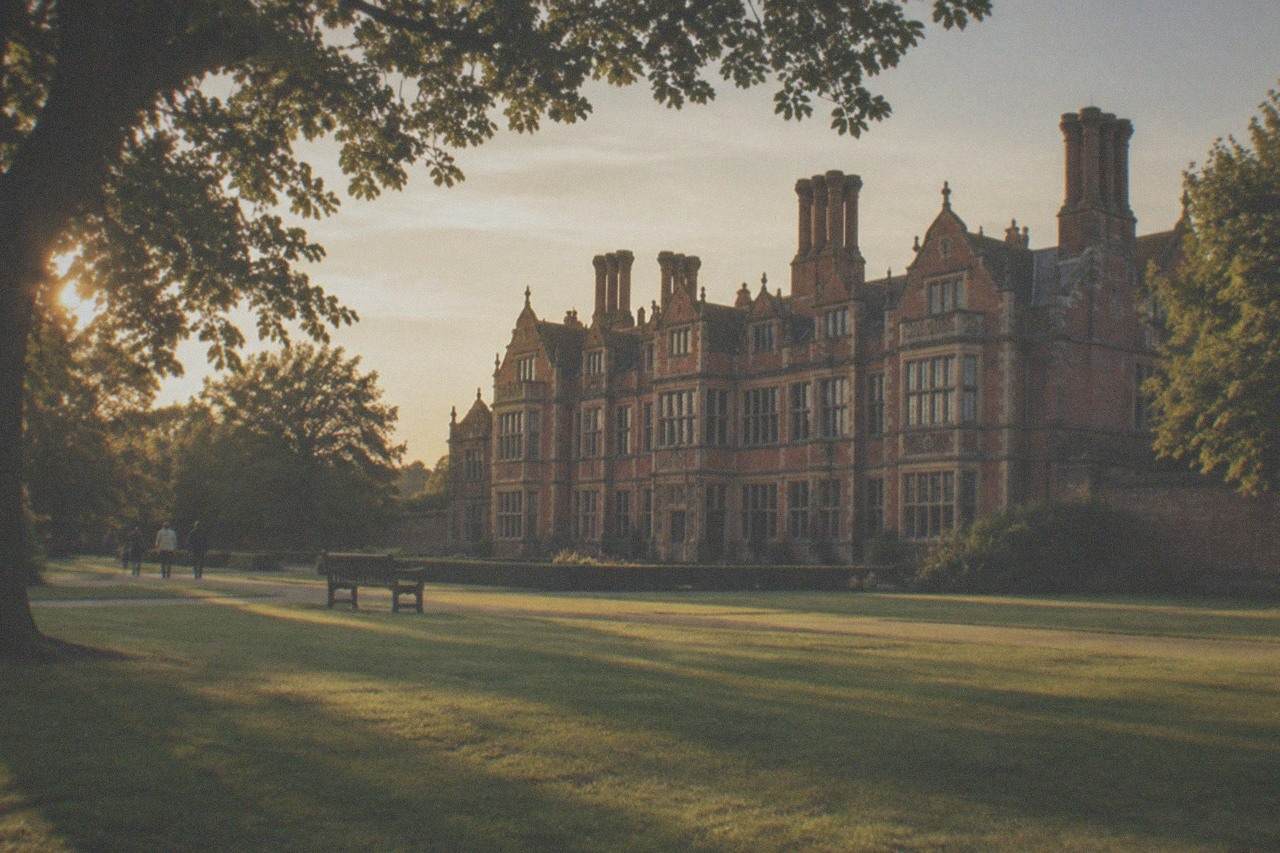
Aston Hall's grounds deliver far more than a lawn. The hall is a Jacobean mansion completed in the 1630s, one of the last great houses built in that style in England, and its exterior is the main event from the park: red brick, tall chimneys, and long formal terraces that photograph well from almost any angle. The park around it covers a large stretch of open green space north east of the city centre, with tree-lined walks and views back toward the house. None of that costs anything.
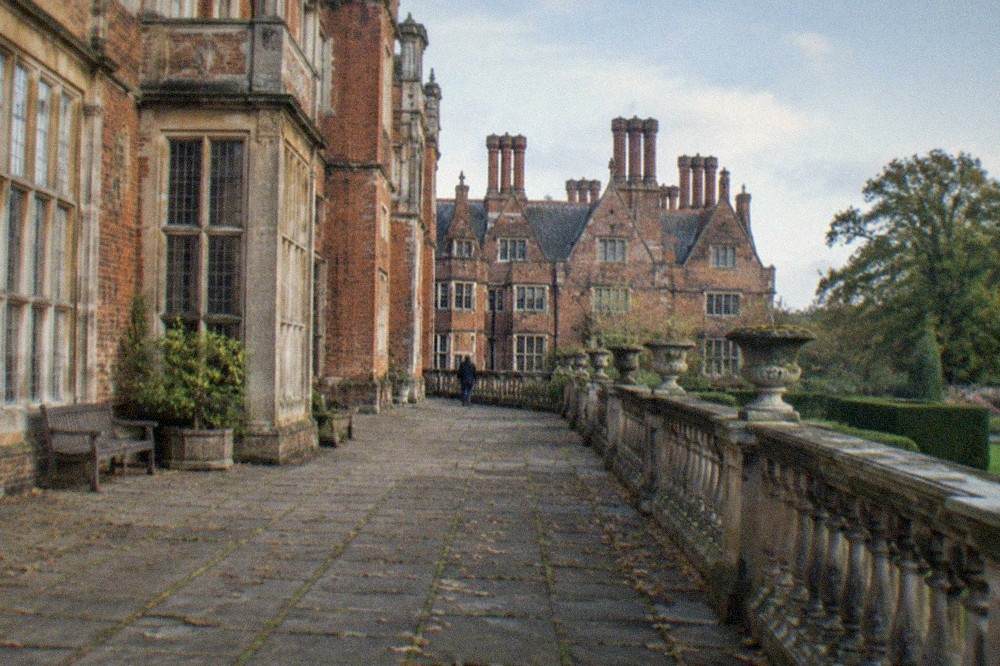
The house interior is where the ticket starts. Inside are period rooms furnished to tell the story of the Holte family who built the hall, plus the staff and servants who ran it, and the staircase scarred by a cannonball from the English Civil War. Admission for the house is an adult ticket of roughly 10 to 11 pounds with Gift Aid, children aged 3 to 15 pay five pounds, under 3s are free, concessions are six pounds, and family tickets start from 22 pounds. Those figures come from Birmingham Museums Trust's own Aston Hall page, which is also where current opening details live: birminghammuseums.org.uk/aston-hall.
The opening pattern matters as much as the price. The house opens Friday to Sunday, 11am to 4pm with last entry at 3pm, and only until roughly 2 November 2026, after which it closes for winter and reopens around 13 February 2027. It also closes on bank holidays and on some Aston Villa match days, because the stadium sits close by. The grounds, by contrast, remain walkable throughout. A free visit in December is still a real visit: the park, the exterior, the terraces and the views all stay.
Is Blakesley Hall Free To Visit?
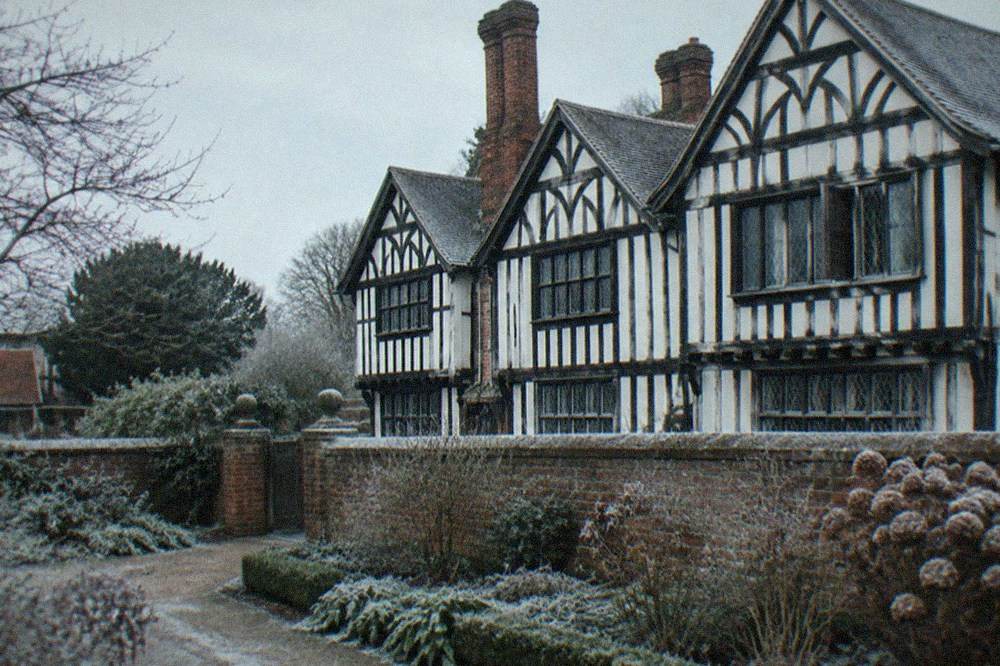
Blakesley Hall follows the same split, with a smaller and arguably more charming footprint. It is a timber-framed Elizabethan yeoman's farmhouse in Yardley, east of the city centre, with a garden that includes a small orchard and a lawn bowling area. The garden and grounds are free to wander during opening hours, and the exterior, with its heavy black and white timbering, is the kind of building people stop and photograph from the street.
The interior is the paid part. Inside are furnished rooms showing how the Smalbroke family, who built the house in the 1590s, would have lived, along with later additions to the building's story. An adult ticket is eight pounds, or 8.80 with Gift Aid, children aged 3 to 15 pay five pounds, under 3s are free, concessions are six pounds, and family tickets start from 20 pounds. The house opens Wednesday to Sunday, 11am to 4pm with last entry at 3pm, and it closes on bank holidays. The Trust's own page carries the current details: birminghammuseums.org.uk/blakesley-hall.
For a free visit, the garden is the whole reward, and it is a good one on a dry afternoon. The house is compact enough that the exterior and garden take in most of what a casual visitor wants: the timber frame, the garden layout, and the sense of a 400 year old building sitting quietly in a suburban street. Families with small children often get more out of the free garden than the paid rooms, while heritage visitors who want the interiors should book ahead and check the seasonal schedule first.
What Does Sarehole Mill Cost?
Sarehole Mill repeats the pattern with a different kind of building: a working water mill with over 250 years of recorded history on the River Cole, and a direct literary link, because the young J R R Tolkien lived nearby and the mill and its surroundings are widely cited as an influence on his vision of the Shire. The mill pond, the woodland edge and the surrounding green space are free to enjoy, and the site sits close to Moseley Bog and Joy's Wood, which makes it easy to build a completely free walk around the area.
The mill interior is paid, with a ticket band similar to the other Birmingham Museums Trust historic houses, and it includes the working machinery, the miller's story and the bakehouse, where bread has been baked using mill ground flour on demonstration days. The mill opens Friday to Sunday, 11am to 4pm with last entry at 3:30pm, only until roughly 2 November 2026, then it closes for winter and reopens around 13 February 2027. Current interior prices and dates are on the Trust's own page: birminghammuseums.org.uk/sarehole-mill.
The Tolkien connection is the main reason people travel to Sarehole specifically, and that part costs nothing. The exterior of the mill, the pond, the watercourse and the footpaths toward Moseley Bog can all be experienced free, and the Tolkien Trail, a walking route connecting the sites of his Birmingham childhood, passes through public space. Paying for the interior adds the machinery and the interpretation, which is genuinely interesting, but it is an addition rather than a requirement for the Tolkien experience.
How Do The Three Ticket Prices Compare?
| Ticket | Aston Hall | Blakesley Hall | Sarehole Mill |
|---|---|---|---|
| Adult | Roughly 10 to 11 pounds (Gift Aid) | Eight pounds, 8.80 with Gift Aid | Similar band to the other Trust houses, check the official page |
| Child 3 to 15 | Five pounds | Five pounds | Check the official page |
| Under 3 | Free | Free | Check the official page |
| Concessions | Six pounds | Six pounds | Check the official page |
| Family | From 22 pounds | From 20 pounds | Check the official page |
| Interior opening days | Friday to Sunday | Wednesday to Sunday | Friday to Sunday |
Two things stand out from that table. First, Blakesley Hall is the cheapest of the confirmed adult tickets, and its midweek opening, Wednesday onward, makes it the easiest of the three to visit on a weekday. Second, Sarehole Mill's exact interior band is not published as a single flat figure in this site's verified research, so the honest move is to send you to the Trust's page rather than quote a number that may be wrong. Never trust a third party site that quotes you a confident price for Sarehole Mill without linking the operator.
There is also the question of what a ticket buys across the three. Aston Hall's interior is the grandest, Blakesley's the most domestic, Sarehole's the most mechanical. None of the three interiors takes more than about an hour to see at a relaxed pace, so the ticket is a modest purchase relative to a commercial attraction, and none of the three is the kind of all day destination that justifies a big budget. The grounds at all three, taken together, are arguably the better free product than any single paid interior.
When Do The Houses Close For Winter?
The winter closure is the detail most likely to wreck a plan, so it deserves its own section. Birmingham Museums Trust shuts the interiors of its seasonal historic properties for maintenance over the winter, and for Aston Hall and Sarehole Mill the verified pattern runs from roughly early November to mid February. Aston Hall's current season ends around 2 November 2026 and reopens around 13 February 2027. Sarehole Mill follows the same shape, closing around 2 November 2026 and reopening around 13 February 2027.
| Property | 2026 Season Ends | 2027 Reopening | Grounds During Winter |
|---|---|---|---|
| Aston Hall | Around 2 November 2026 | Around 13 February 2027 | Open, free |
| Sarehole Mill | Around 2 November 2026 | Around 13 February 2027 | Open, free |
| Blakesley Hall | Seasonal hours apply, check the official page | Check the official page | Open, free |
The museum's own grounds close along with the interiors, on the same winter dates. What stays open year-round is the wider public park around each site: Aston Park surrounds Aston Hall, and Sarehole Mill Recreation Ground borders Sarehole Mill, and neither one closes when the museum grounds do. A November or January visit can still work if the plan is the surrounding park rather than the gated garden: exterior views, a walk, photographs and fresh air, no rooms and no machinery. Blakesley Hall has no separate public park attached, so its garden simply follows the same winter closure as the rest of the site.
The practical rule for anyone planning around these dates is simple. Between early November and mid February, treat all three as outdoor-only free visits. From mid February to early November, the paid interiors are in play on their opening days, Friday to Sunday for Aston Hall and Sarehole Mill, Wednesday to Sunday for Blakesley. And on any visit, bank holidays are closure days for the interiors at all three properties.
What About Soho House, The Trust's Fourth Historic Property?
Soho House in Handsworth is the fourth historic property in the Birmingham Museums Trust family and it breaks the pattern in a different way. The house itself, the Georgian home of the industrialist Matthew Boulton and a meeting place of the Lunar Society, is currently closed to the public for maintenance. There is no paid interior ticket to buy and no free interior either: the rooms are simply not open.
What is free at Soho House, when accessible, is the visitor centre, the Vanley Burke exhibition and the gardens. That is a real free offering, but it is a smaller one than the grounds at Aston or the mill pond at Sarehole, and the maintenance closure means anyone travelling specifically for the house should check the Trust's page before setting out: birminghammuseums.org.uk/soho-house. Occasional pre-booked guided tours of the house run separately when the schedule allows.
Soho House matters to this page for one reason: it is the clearest proof that the Trust's properties cannot be generalised. One is partially open through a multi year redevelopment, one is fully open with a ticket, three are grounds free with paid interiors, and one is closed with only its outer spaces accessible. Any source that tells you "Birmingham Museums Trust sites are free" or "Birmingham Museums Trust sites are open" is wrong twice over. Each property has to be checked on its own terms.
Which Genuinely Free Museums Are Near The Houses?
If the ticket prices at the historic houses give pause, Birmingham has genuinely free alternatives, and one of the best sits in the city centre. The Ikon Gallery, on Brindleyplace beside the canal, is a contemporary art gallery with free entry, donations welcome, open Tuesday to Sunday and bank holiday Mondays from 11am to 5pm. Unlike the historic houses there is no split between grounds and interior: the whole gallery, including its temporary exhibitions of international contemporary art, is free to enter.
The contrast is worth spelling out. At Aston Hall, the free part is the outside and the paid part is the inside. At Ikon, the inside is the free part. For a visitor building an art and heritage day around Birmingham, that inverts the usual logic: the gallery is where the free experience lives, and the historic house exteriors are the free bonus elsewhere in the city. Ikon's canalside location also puts it within easy walking distance of Gas Street Basin, which makes it a natural anchor for a free central Birmingham afternoon.
Can You Build A Completely Free Day Around These Houses?
Yes, and the free parts of the three properties are good enough to carry a day. The trick is to stop thinking of the interiors as the destination and treat the grounds, the surrounding parks and the free sites nearby as the itinerary. Sarehole Mill is the strongest free anchor because of what sits next to it: Moseley Bog and Joy's Wood, the nature reserve that Tolkien explored as a child, is public access at no charge, and the two together make a genuinely lovely free walk of a couple of hours in south Birmingham.
| Free Element | Location | What You Get For Nothing |
|---|---|---|
| Aston Hall grounds and parkland | North east of the city centre | Jacobean exterior, terraces, open park |
| Blakesley Hall garden | Yardley, east of the city centre | Timber framed exterior, orchard and garden |
| Sarehole Mill pond and surroundings | Hall Green, south Birmingham | Mill exterior, pond, River Cole paths |
| Moseley Bog and Joy's Wood | Next to Sarehole Mill | Nature reserve, Tolkien childhood landscape |
| Ikon Gallery | Brindleyplace, city centre | Free contemporary art exhibitions |
A realistic free day starts with the Sarehole Mill exterior and Moseley Bog in the morning, moves to the Blakesley Hall garden in the early afternoon, and finishes in the city centre at Ikon and the canal side. That day contains a working mill's exterior, a 400 year old timber farmhouse, a nature reserve, an art gallery and a canal basin, and the total spend is zero, plus whatever the coffee costs. It is a better free day than most cities of Birmingham's size can offer.
The one thing that free day cannot include is the interiors, and it is worth being honest about what is lost. The cannonball scar at Aston Hall, the Smalbroke family rooms at Blakesley and the working machinery at Sarehole Mill are the parts that make the buildings make sense, and visitors who care about interiors should budget for one ticket rather than three. Pick the house that matches the interest: grandest at Aston, most domestic at Blakesley, most mechanical at Sarehole.
Is There A Free Walking Tour That Covers Birmingham's History?
There is one, and it is a good fit for anyone whose interest in these houses is really an interest in Birmingham's story. The Free Birmingham Walking Tour - Stories, Landmarks & Local Insights is run by the independent guide Philip on the GuruWalk platform. It runs in English, lasts about two hours, and is rated 4.78 out of 5 across 59 GuruWalk reviews. It is free to join, with pay what you want at the end, and it covers central Birmingham landmarks and the local stories behind them.
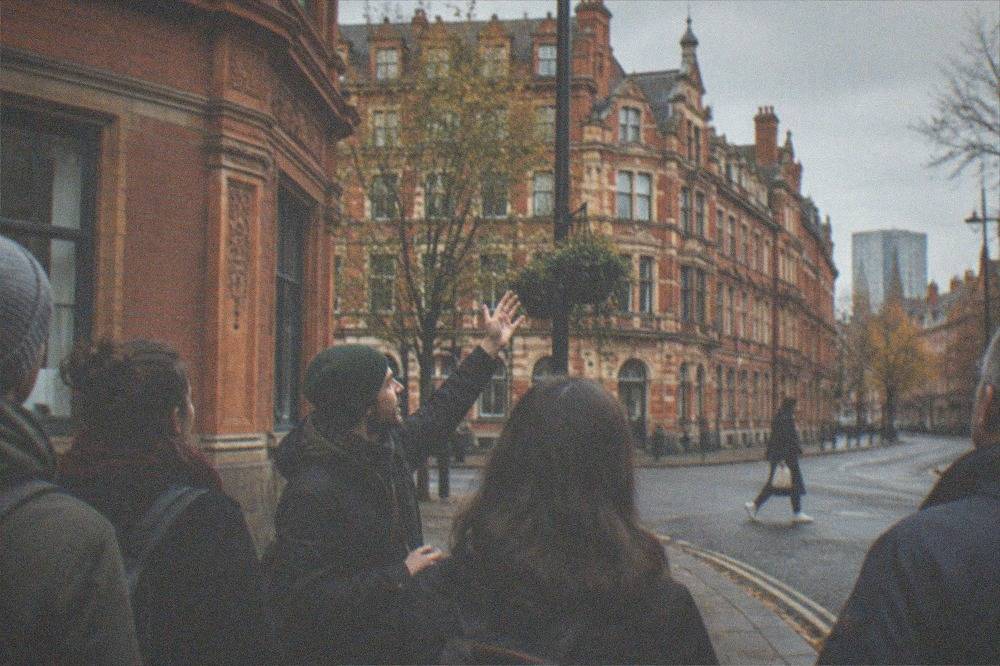
The walk does not go to Aston Hall, Blakesley Hall or Sarehole Mill, because those sit outside the walkable core, and that is worth saying plainly. What it does do is give the central Birmingham context that makes the outlying houses mean more: the growth of the town, the industrialists like Matthew Boulton whose world Soho House preserves, and the civic architecture the city built with its profits. Someone who has walked the centre with a guide arrives at Aston Hall already knowing why a Birmingham merchant family in the 1630s could build something that grand.
What Free Green Space Sits Near The Historic Houses?
Birmingham's parkland is the quiet headline of any free itinerary, and the houses sit inside a wider network of it. Aston Park around Aston Hall is substantial open green space in its own right. South of the centre, Edgbaston Reservoir offers a free public walking path around the water, a calm, flat circuit popular with runners and walkers, sitting close to the city without feeling urban. It costs nothing and needs no booking, which makes it one of the simplest free visits in the city.
The reservoir also illustrates how Birmingham's free offering clusters. A visitor combining the Edgbaston Reservoir path with the canal towpaths that run toward the city centre can walk a long loop of water and greenery at no cost, passing within reach of the Ikon Gallery and Gas Street Basin. The historic houses are the paid interruptions in that free landscape, and the more of the landscape a visitor knows about, the less the interior tickets feel like the only option.
How Should You Plan A Visit Around The Opening Rules?
Planning comes down to three checks, in order. First, the season: between early November and mid February, only the grounds of Aston Hall and Sarehole Mill are in play, and Blakesley's garden hours need checking on the Trust's page. Second, the day of the week: Aston Hall and Sarehole Mill interiors open Friday to Sunday only, Blakesley Hall Wednesday to Sunday, and never on bank holidays. Third, the time: last entries fall at 3pm at Aston Hall and Blakesley Hall and 3:30pm at Sarehole Mill, so an afternoon arrival can miss the interior even on an open day.
For free only visitors, the planning is simpler, because the grounds carry far fewer rules. Aston Park is open parkland. The Sarehole Mill pond area and the paths toward Moseley Bog are public space. Blakesley Hall's garden keeps its own hours, so that one still merits a check before travelling, but the exterior is viewable from the street regardless. A free visitor's only real risk is travelling for an interior that is shut, and this page's tables exist to prevent exactly that.
The final planning decision is whether to buy one interior ticket. If the interest is architecture, Aston Hall's interior is the strongest single purchase. If it is domestic life, Blakesley. If it is industry and Tolkien, Sarehole. Buying all three in one day is not realistic anyway, given the geography, so the choice is usually made by which corner of the city the day is already in. The grounds of the other two still deliver something for nothing.
Which Other Free Birmingham Experiences Pair Well With This Trip?
The houses sit in a city with a deep free bench, and a few pairings work especially well. Gas Street Basin and the Birmingham canal towpaths are free public realm at all times, no admission, and they are the closest thing Birmingham has to a signature free experience: the heart of the old canal network, walkable in minutes from the city centre. Moseley Bog and Joy's Wood, beside Sarehole Mill, is the Tolkien childhood landscape and a free nature reserve, the single best free pairing with any of the three houses. The Custard Factory and Digbeth street art, free to walk around, give the day a contemporary, creative edge that the historic houses deliberately lack.
Common Questions
Are Aston Hall Grounds Free?
Yes, the grounds and parkland around Aston Hall are free to walk with no ticket and no booking. The house interior is separate and paid, with an adult ticket of roughly 10 to 11 pounds with Gift Aid, and the interior closes for winter from around 2 November 2026 until around 13 February 2027.
Is Blakesley Hall Free To Enter?
The garden and grounds are free, but the house interior requires a ticket: eight pounds for an adult, or 8.80 with Gift Aid, with children aged 3 to 15 at five pounds and family tickets from 20 pounds. The house opens Wednesday to Sunday, 11am to 4pm, and closes on bank holidays.
Can You See Sarehole Mill Without Paying?
Yes. The mill pond, the exterior of the mill and the surrounding paths beside the River Cole are free, and the adjacent Moseley Bog and Joy's Wood nature reserve is free public access. The mill interior is paid, in a similar ticket band to the other Birmingham Museums Trust houses, and it closes for winter from around 2 November 2026 to around 13 February 2027.
Do All Three Houses Close In Winter?
Aston Hall and Sarehole Mill both close their interiors for winter, roughly early November to mid February, with the 2026 season ending around 2 November and reopening around 13 February 2027. Blakesley Hall runs seasonal hours that should be checked on the Birmingham Museums Trust page before travelling. The grounds at all three remain open and free year round.
Is There A Free Walking Tour In Birmingham?
Yes, one English language free walking tour serves the city centre: the Free Birmingham Walking Tour - Stories, Landmarks & Local Insights, run by the independent guide Philip on GuruWalk, rated 4.78 out of 5 across 59 GuruWalk reviews, about two hours long, free with pay what you want at the end. It covers central landmarks rather than the outlying historic houses.
Is Soho House Free?
Soho House itself is currently closed to the public for maintenance, so there is no interior to visit, free or paid. The visitor centre, the Vanley Burke exhibition and the gardens are free when accessible, and occasional pre-booked guided tours of the house run separately when the schedule allows. Check Birmingham Museums Trust's Soho House page before travelling.